Puglia, the "heel" of Italy
After a night of heavy drinking at the resort where we’re staying, followed by a somewhat rough wake-up, we set off to explore Puglia—specifically, Polignano.
History of the Town
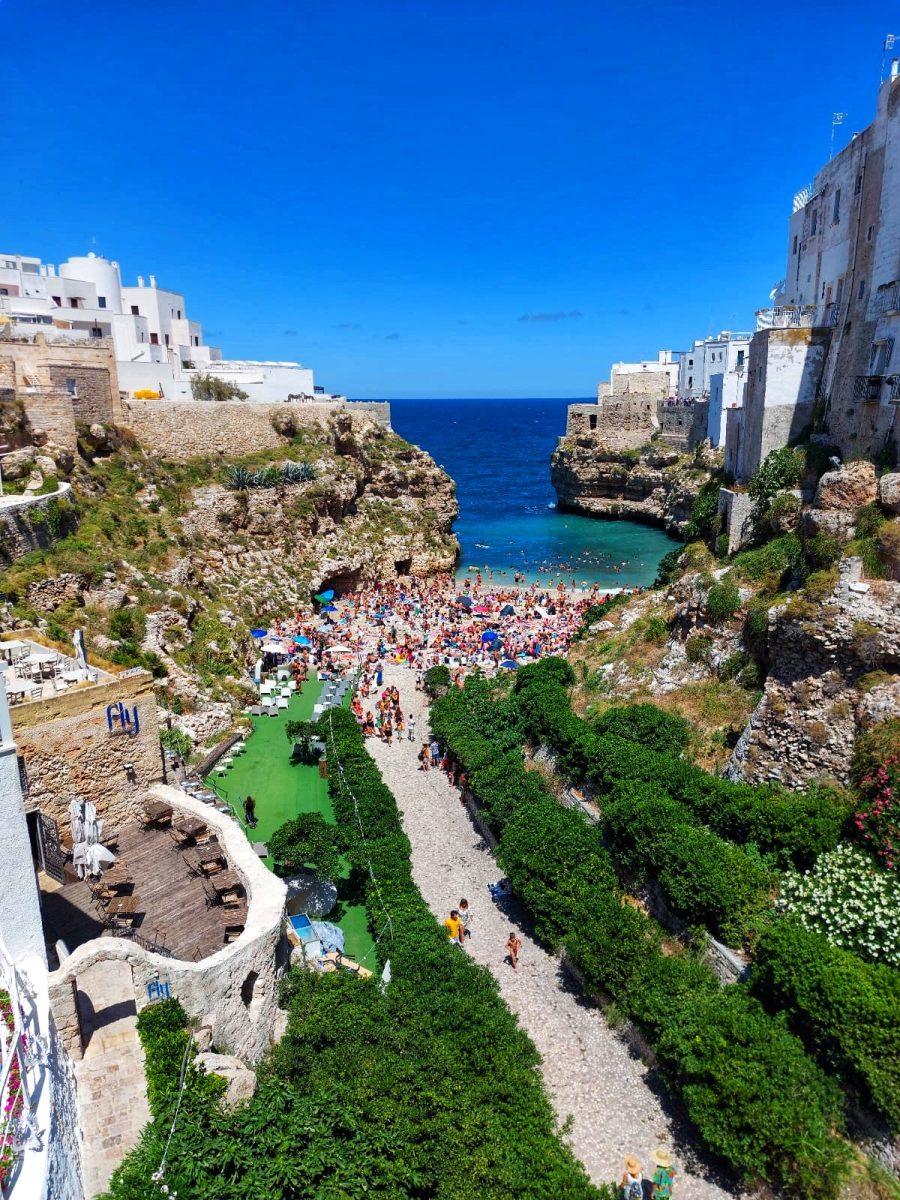
The town is breathtakingly beautiful, perched on a cliff dotted with caves and steeped in history along the Adriatic coast of Puglia. Its ancient origins date back to the time of Ancient Greece. However, evidence shows that the area has been inhabited since the last ice age, more than 10,000 years ago, and there are remains of villages dating back to the Bronze Age as well. Annexed to the Republic in 270 BC, it enjoyed a period of prosperity that came to an end with the fall of Rome. It was later incorporated into the Eastern Roman Empire, fell into decline, and was subsequently dominated during various conquests.
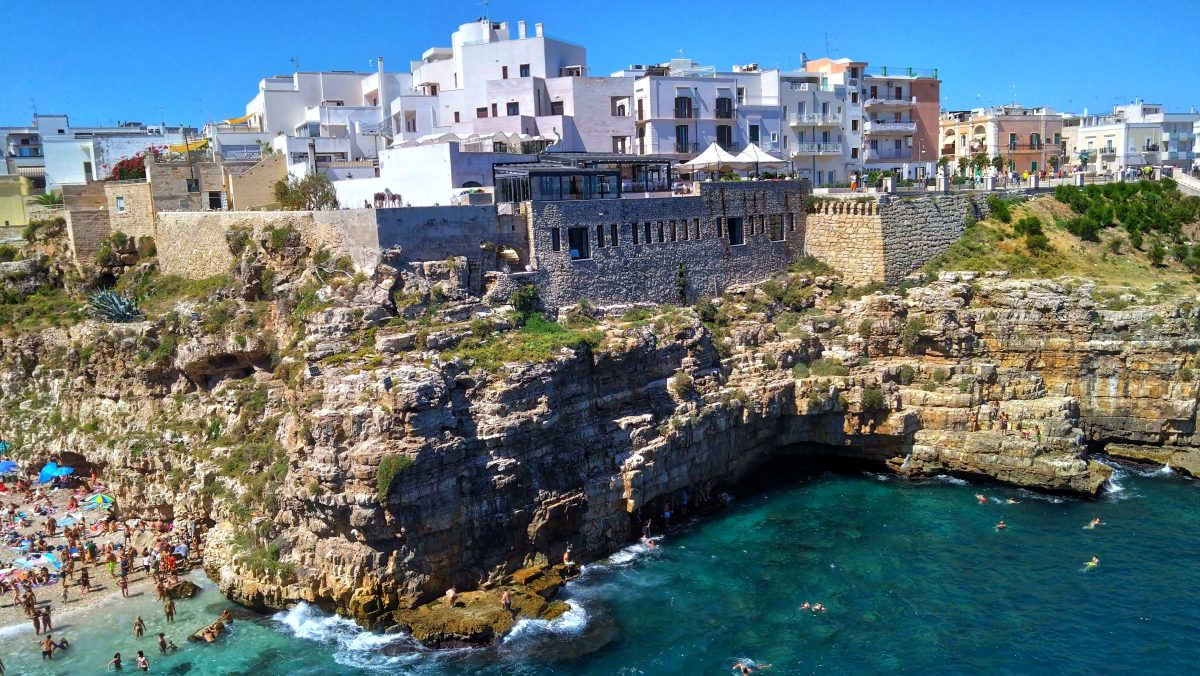
The arrival of the Normans ushered in a new period of economic growth and prosperity that made up for centuries of war. After coming under Venetian rule for a brief period in its history, it passed into the hands of Naples, among others.
Today, it is popular for its unique character and vibrant social scene. There are many luxury boutiques there.
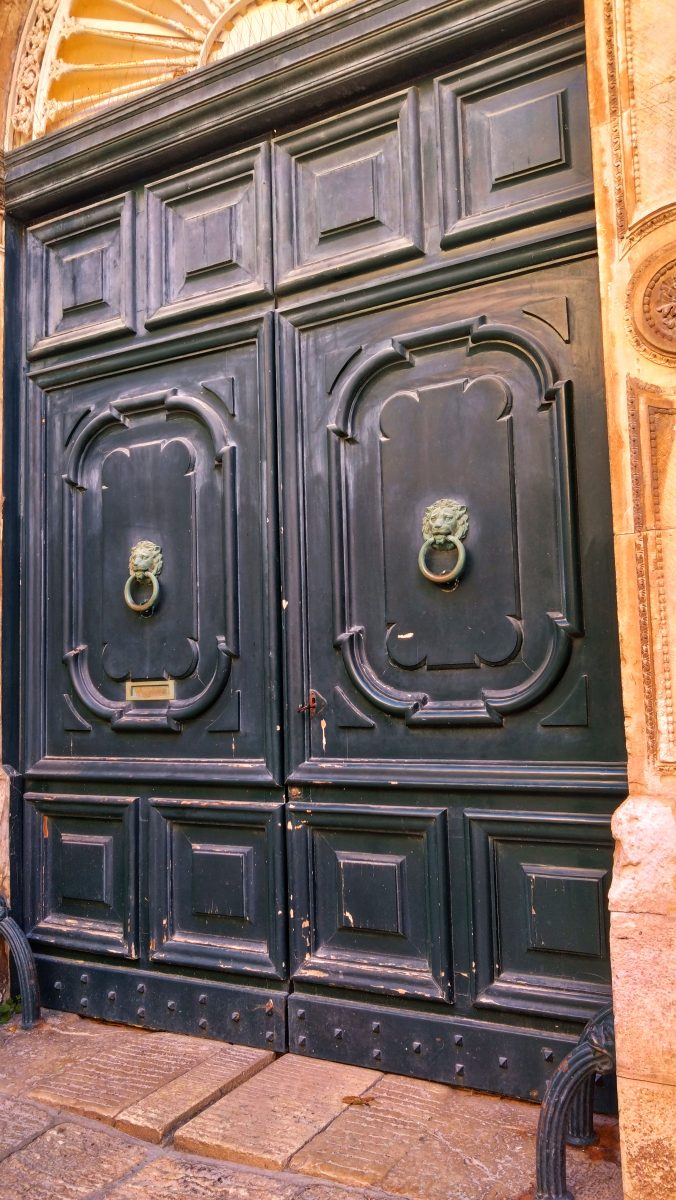
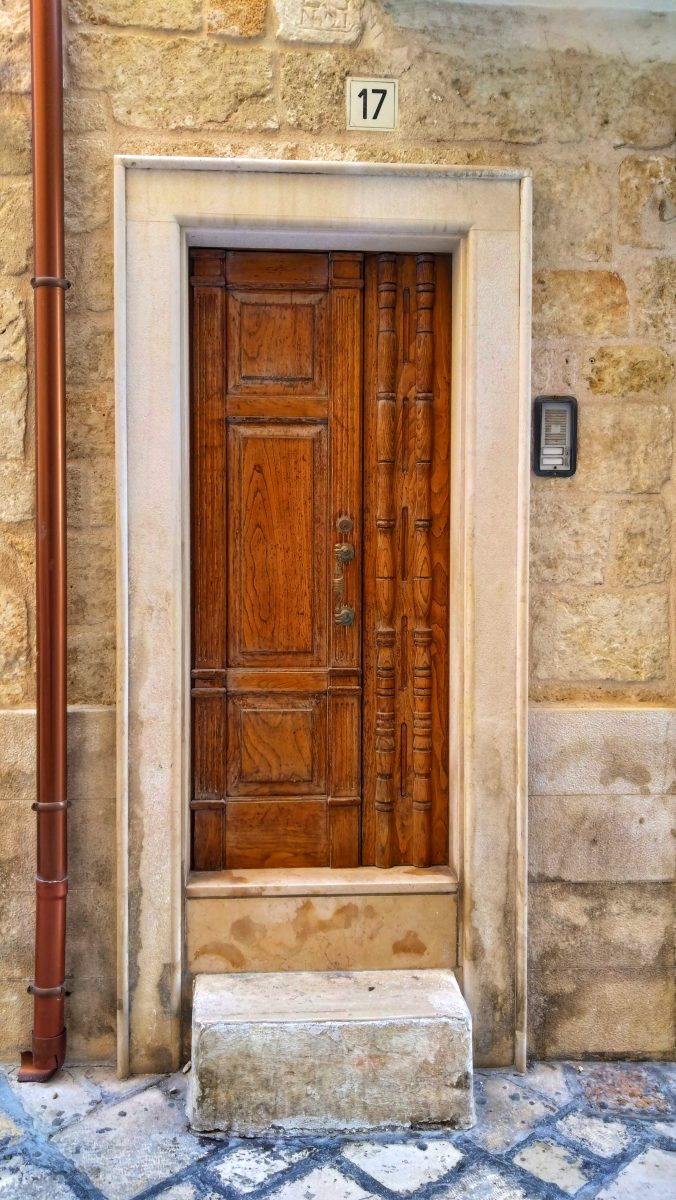
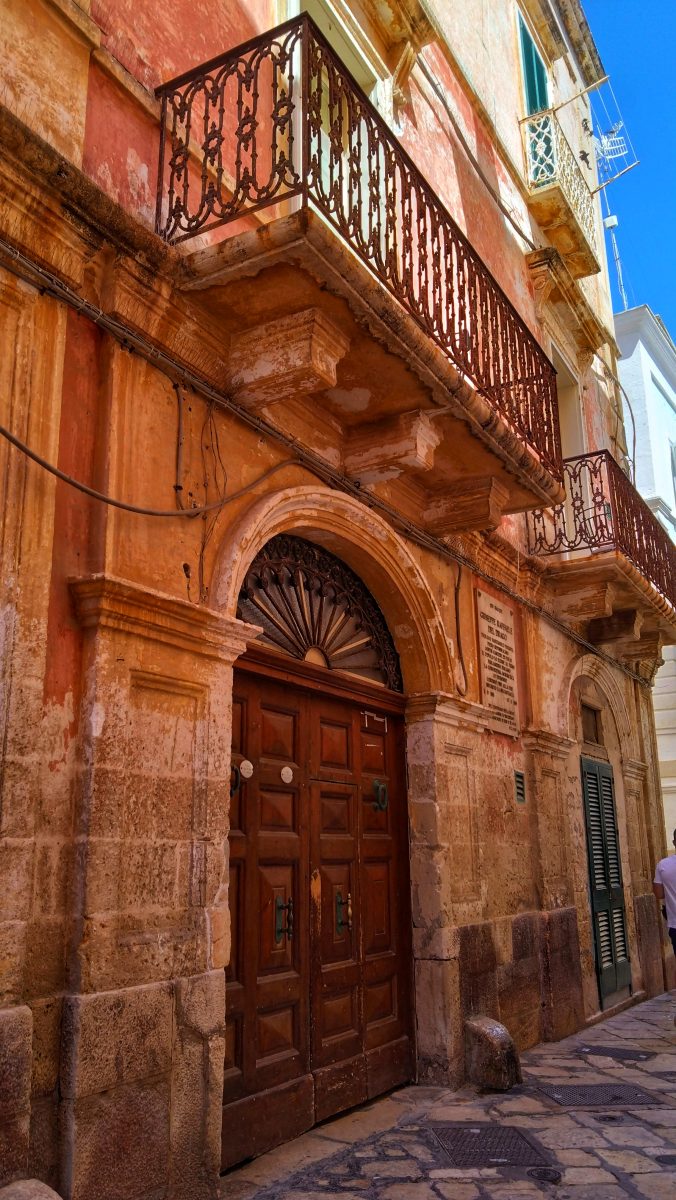
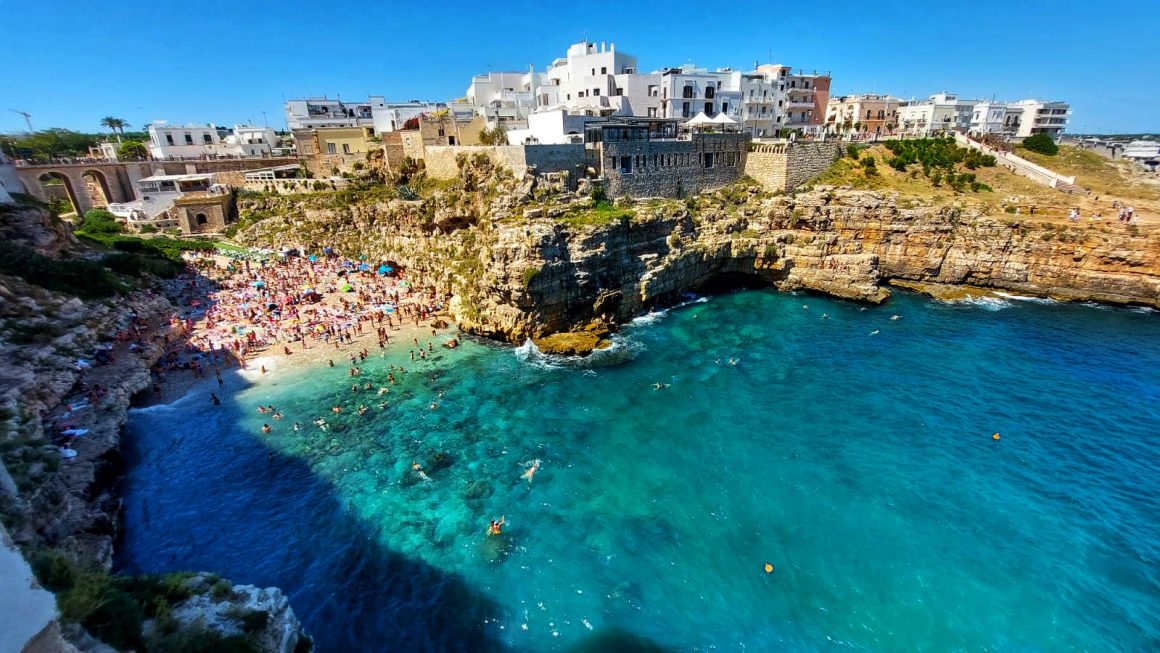
We stroll around for what feels like hours, coming across the city’s famous viewpoint overlooking Polignano’s most famous beach. Finally, around a corner, we find a bar where we can relax away from the crowds.
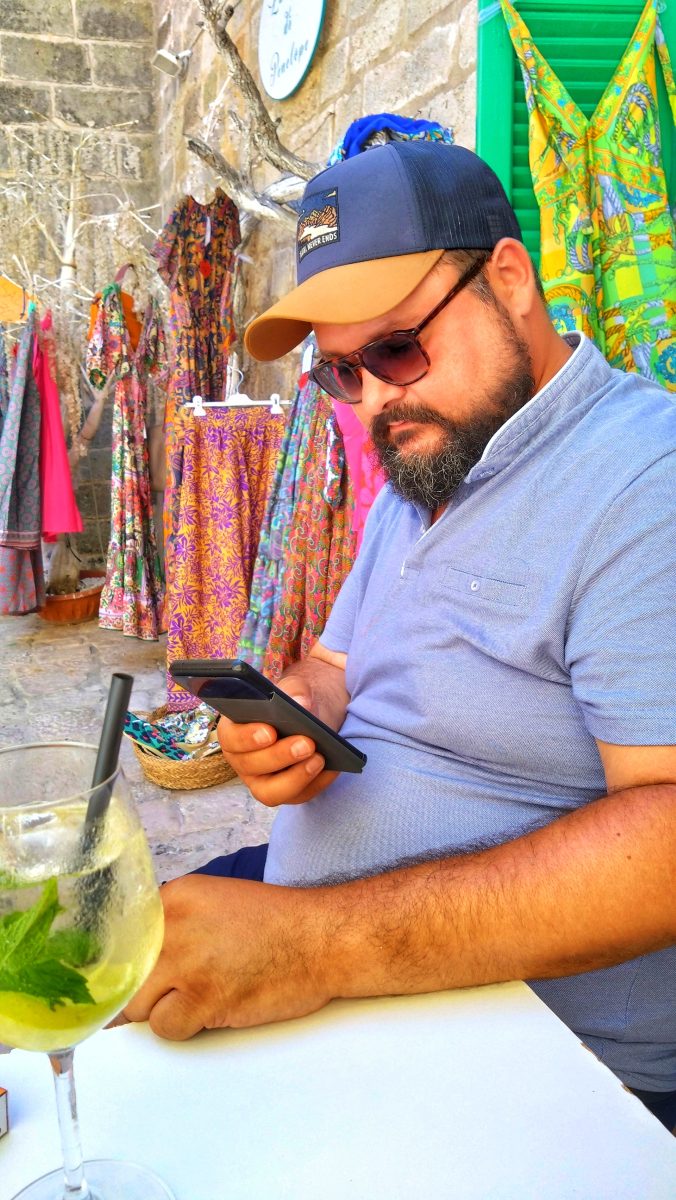
The sun passes its zenith, and we head down to Polignano a Mare’s most famous beach. This beach is nestled between two cliffs: Lama Monachile.
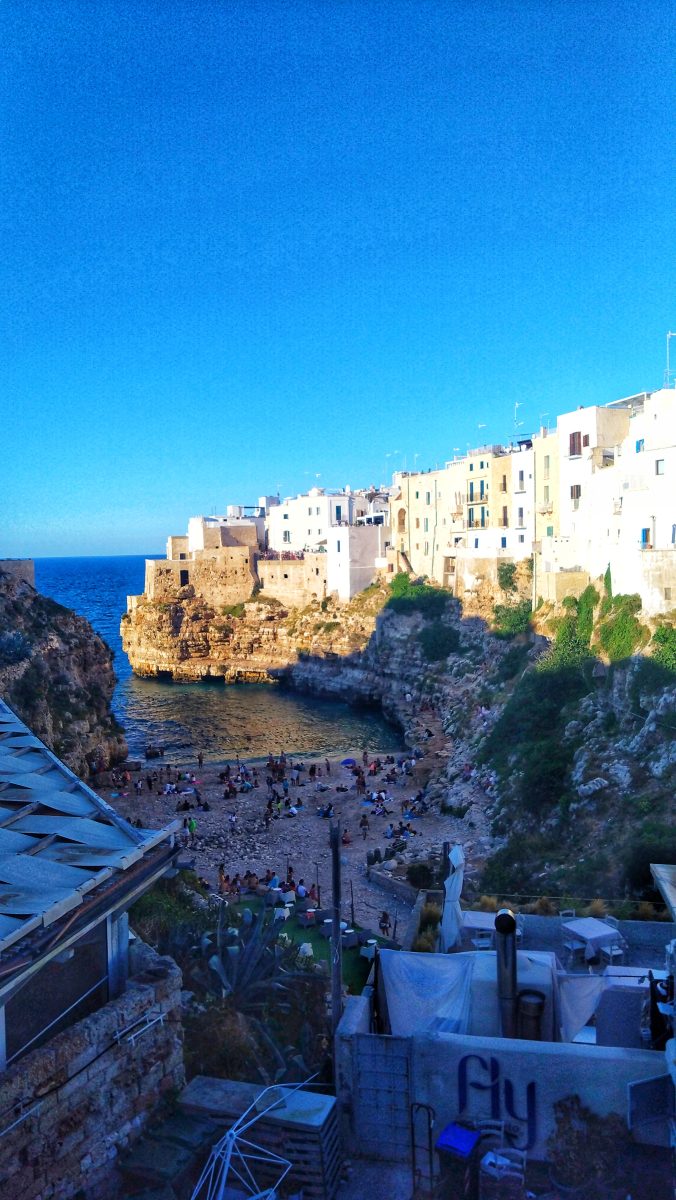
Since Polignano is built on cliffs, there are few beaches. In fact, even though we call them beaches, they’re still very rocky. The crowds gather there, and we’re forced to rent lounge chairs to enjoy the beach a little. It costs nearly 15 or even 20 € per person for a beach chair and umbrella. The extra costs from renting beach chairs and parking are adding up.
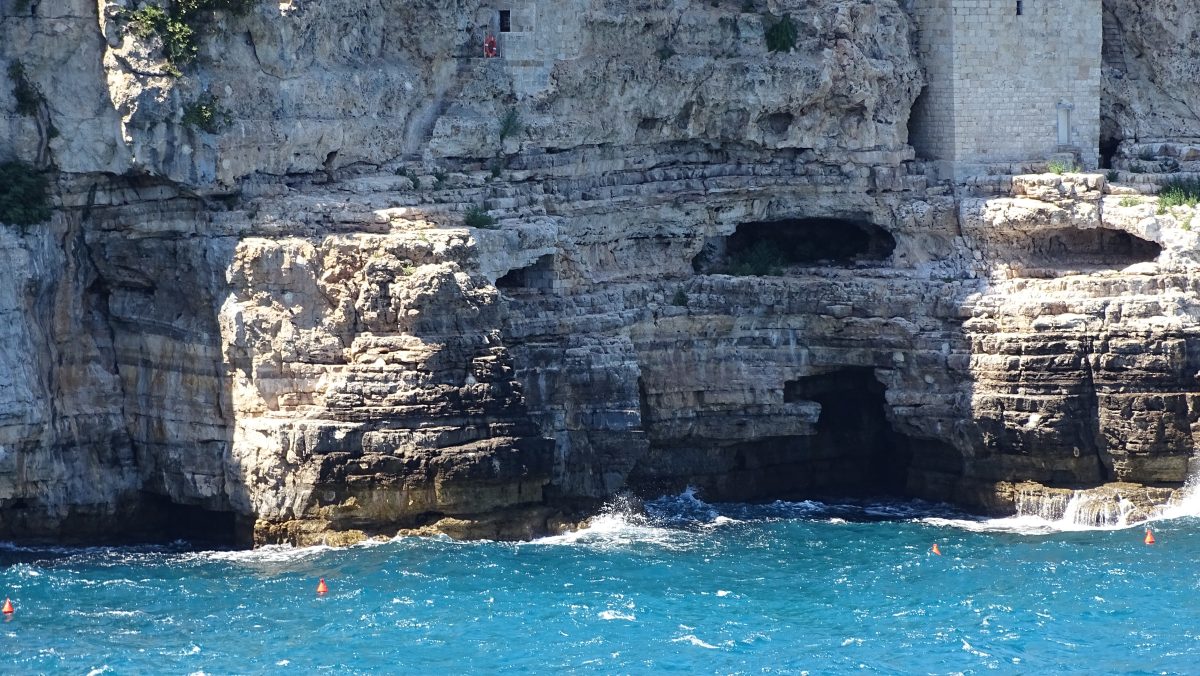
It’s a very hot day; our phones are overheating, and so are we. The water stays cool despite everything, and swimming does us good. When the sun starts to set, we head back to our lodging.
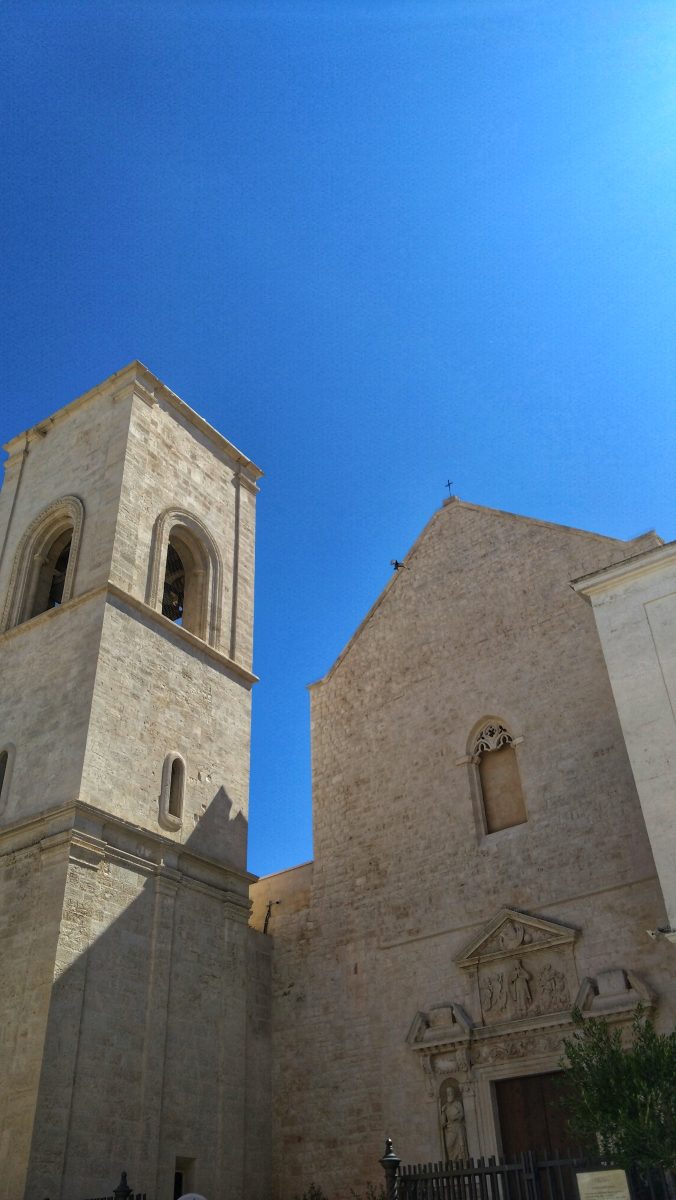
The next day, we head to Torro d’El Orso, known for its clear waters and beaches, including Lido l’Orsetta. We spend a lovely part of the day there enjoying the sea and relaxing.
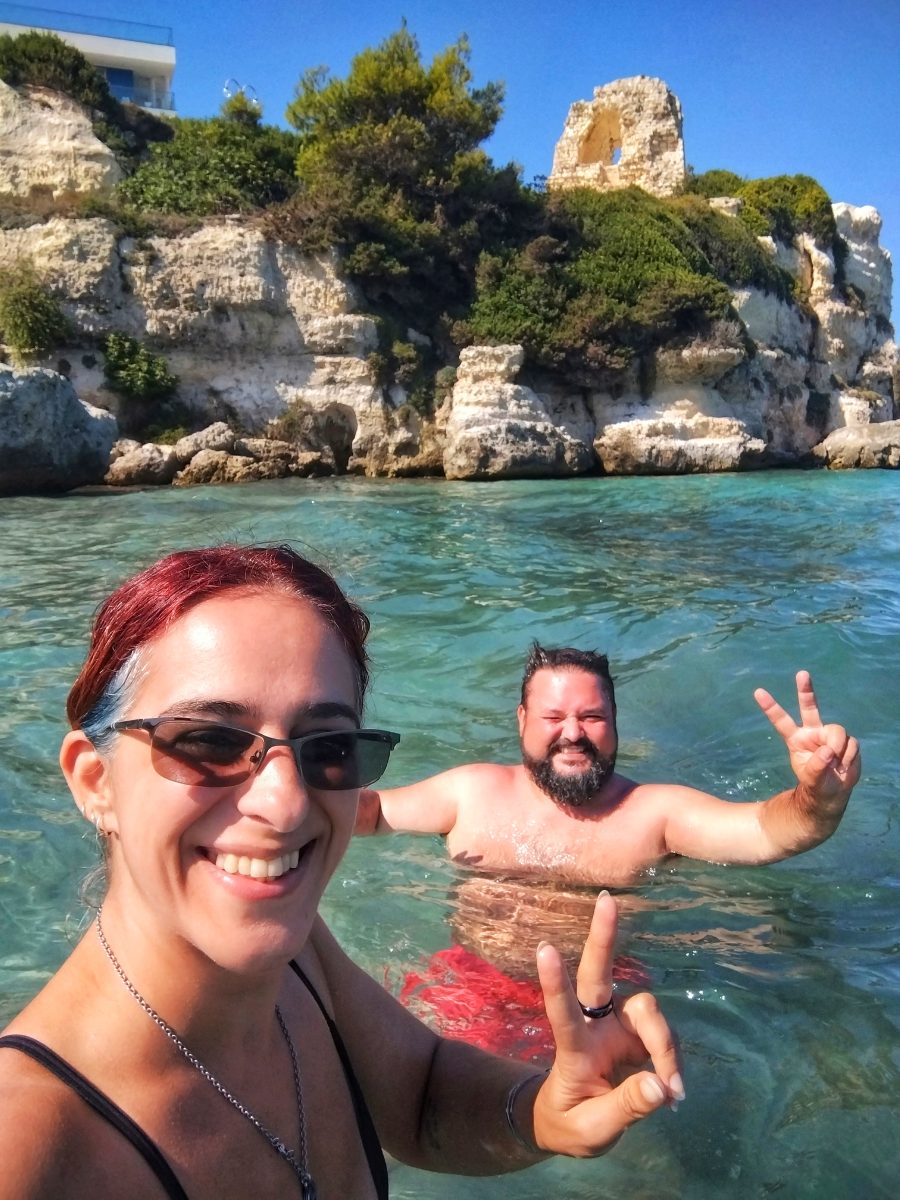
On our way back, we pass near the Grotta della Poesia and take the time to stroll around it.
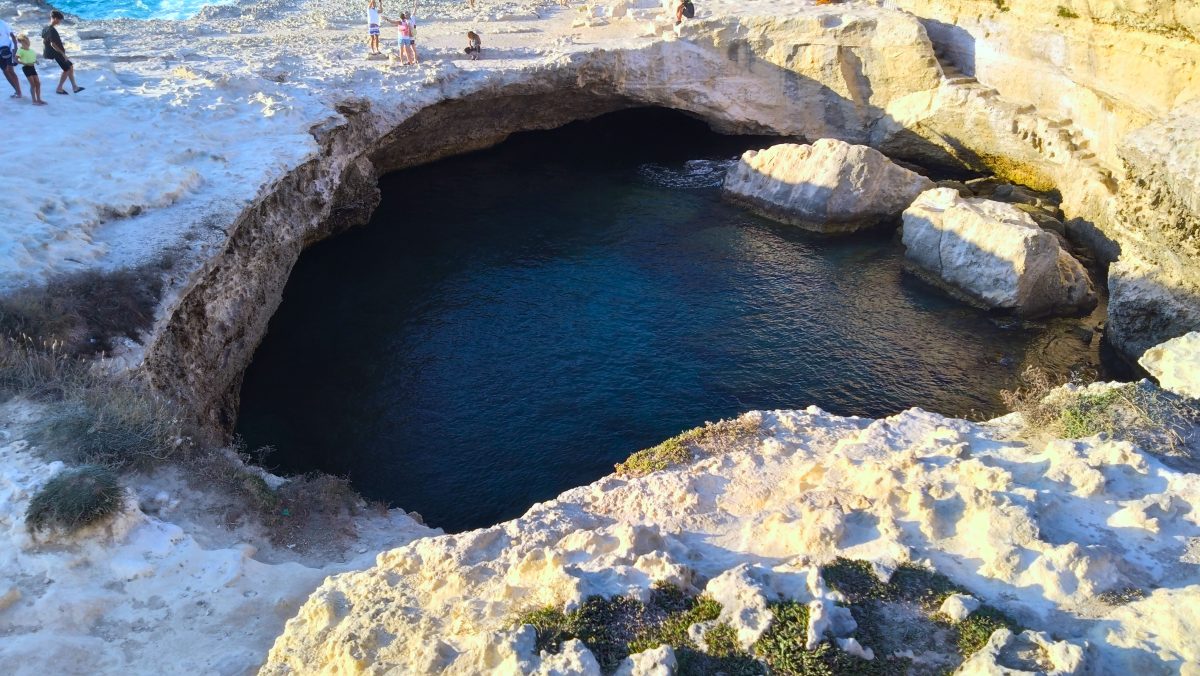
As for the Grotta della Poetra, we could only see the outside, given how late it was. It’s one of the most beautiful natural “pools” in Salento.
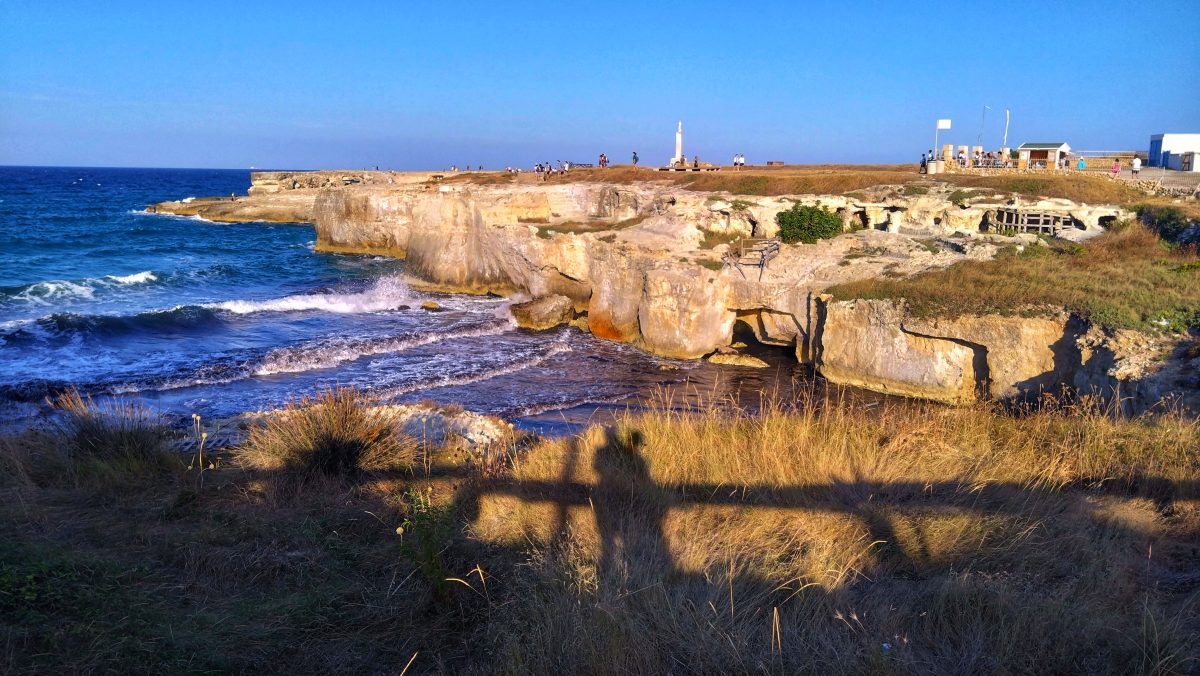
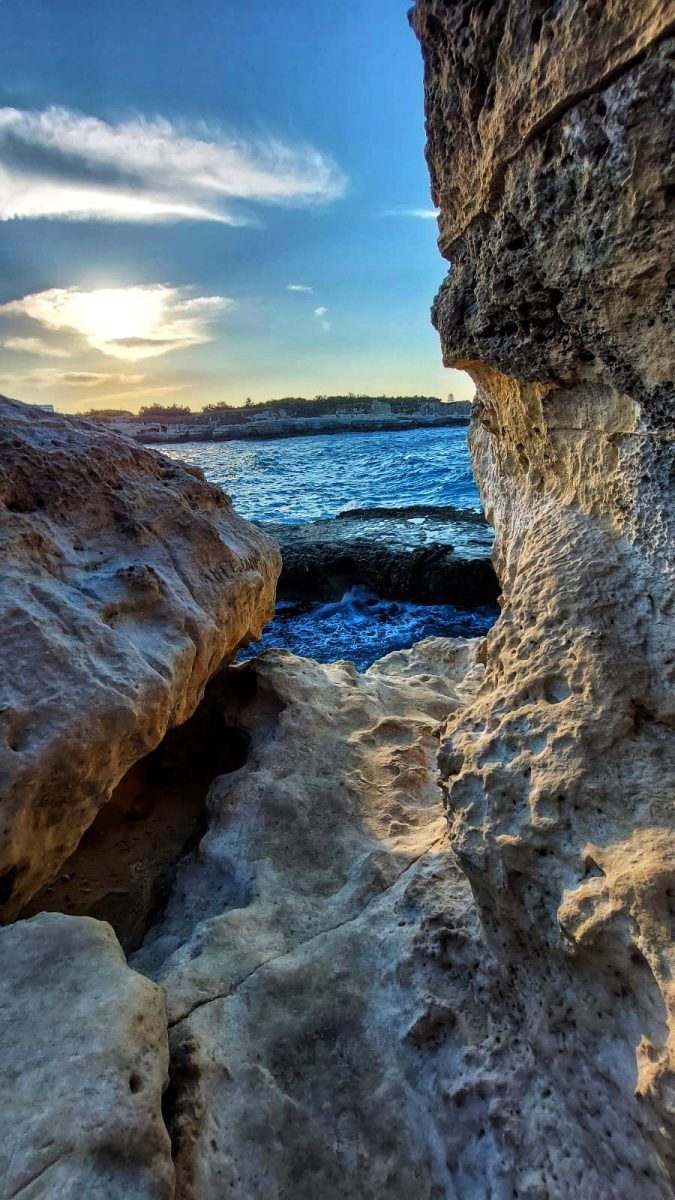
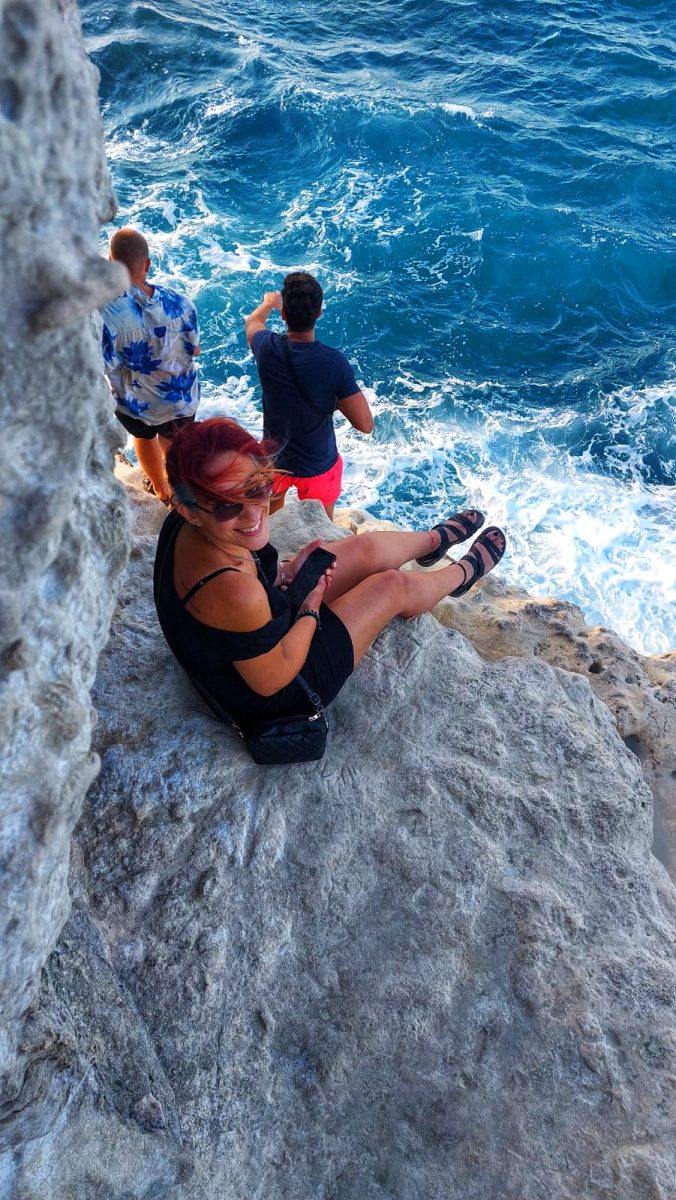
The site is magnificent, with pristine white limestone and a large pool of water right in the middle—one we could jump into at other times of the day, if the sea were calmer.
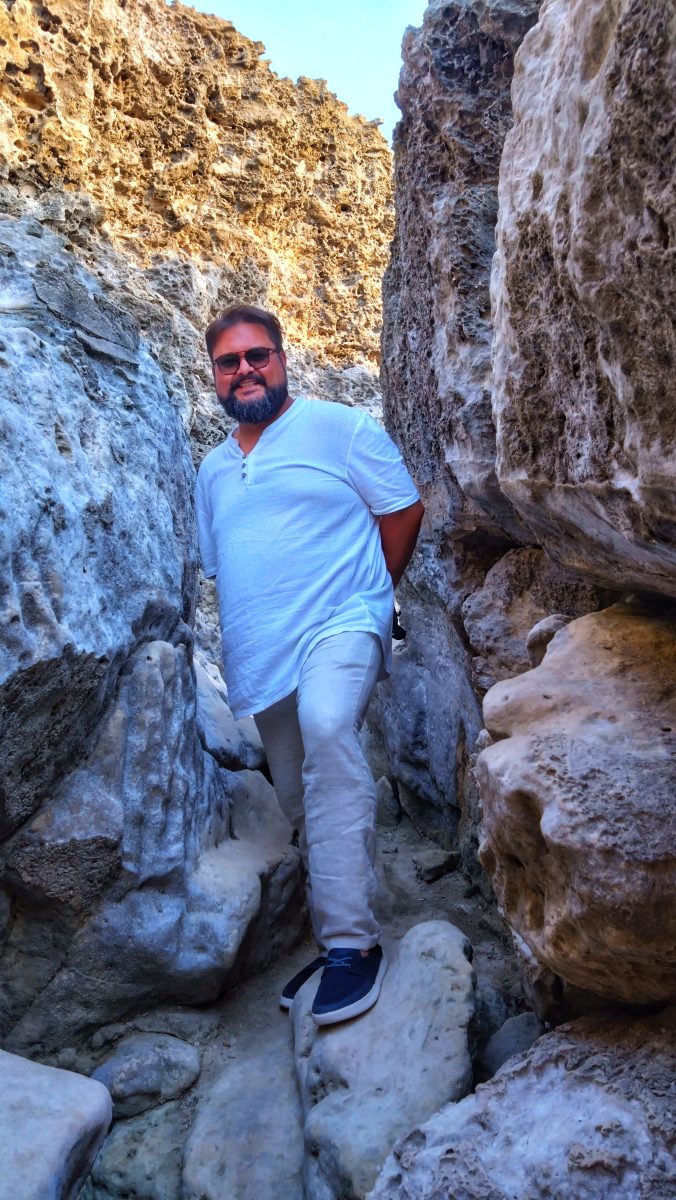
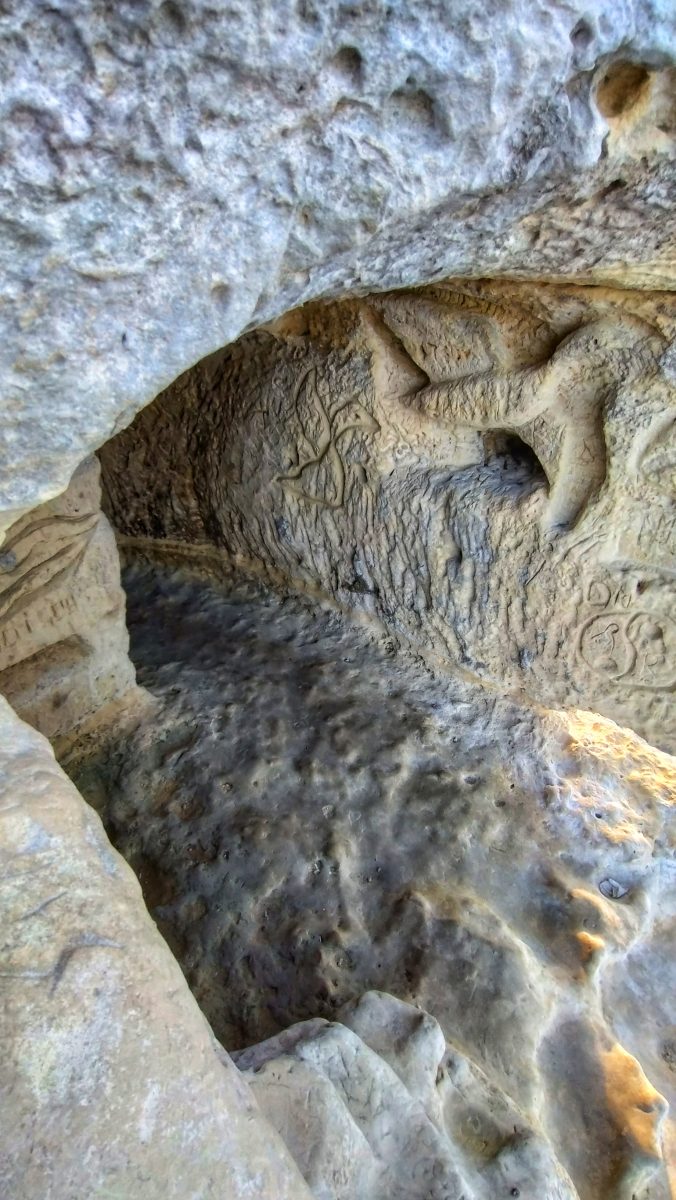
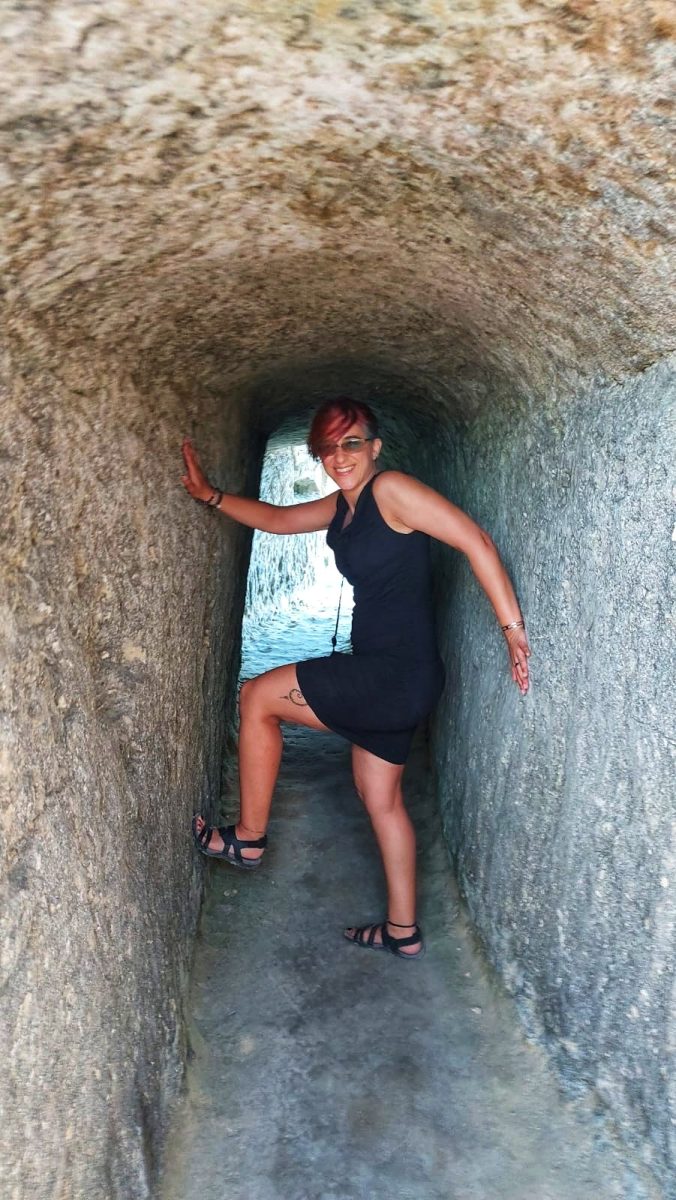
There are symbols in the caves that lead to the sea, like graffiti from another era. Tunnels lead to the other side of the rock. The view of the town is simply incredible.
This site is part of the larger archaeological site of La Roca.
La Roca Site
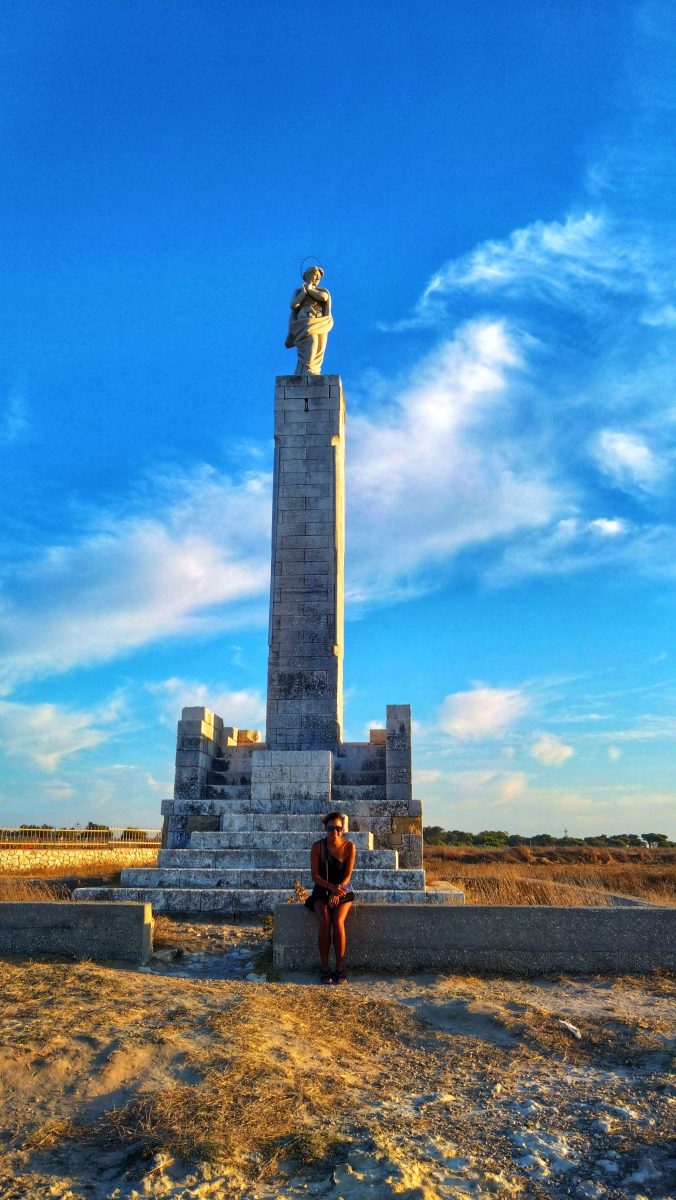
Nearby are the ruins of the castle walls, the watchtower built in the 16th century, and the sacred site dedicated to Our Lady of Roca.
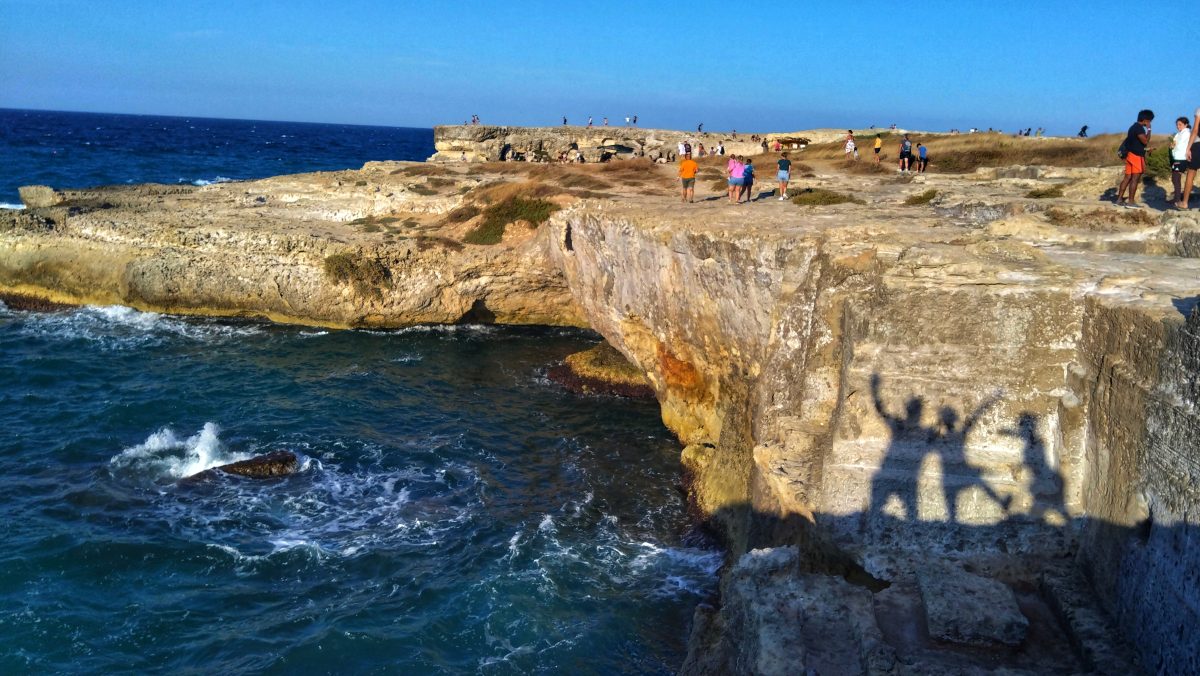
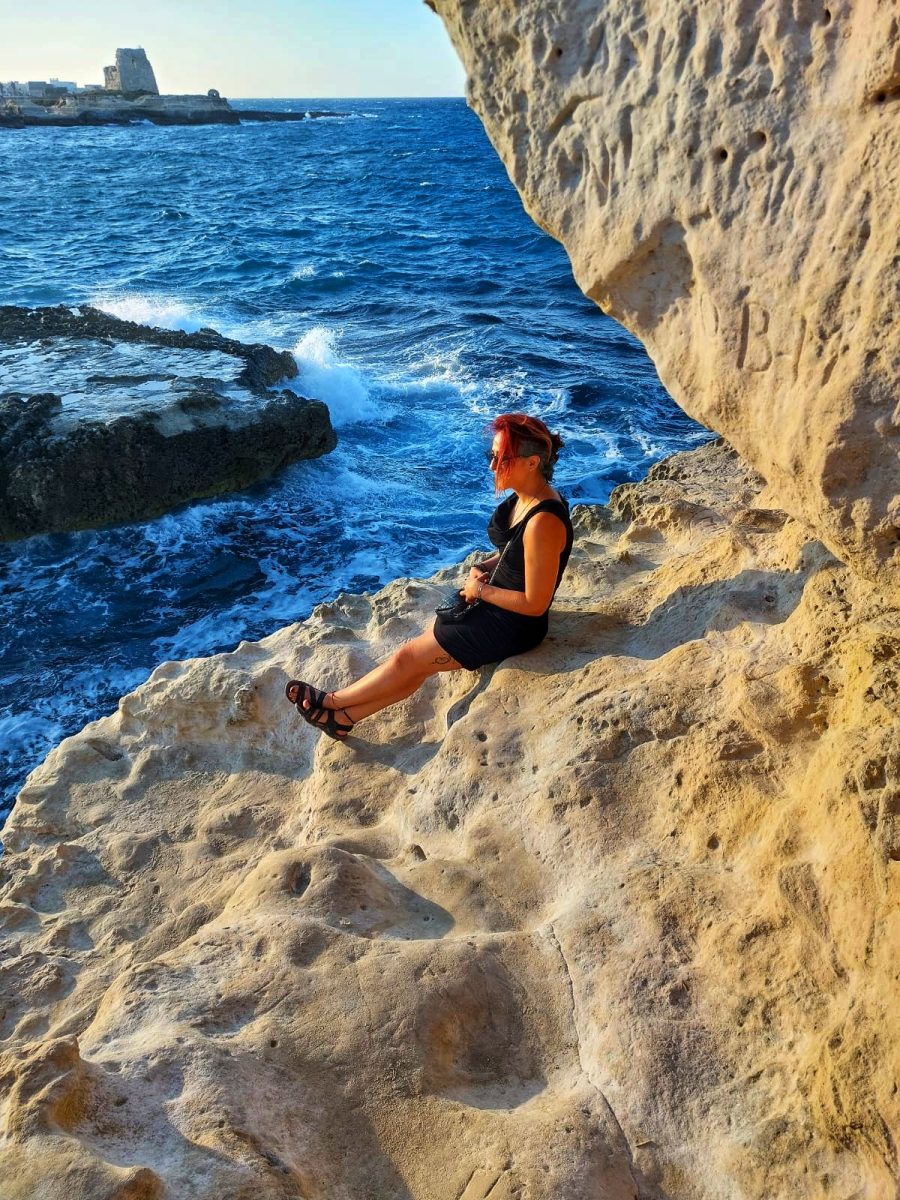
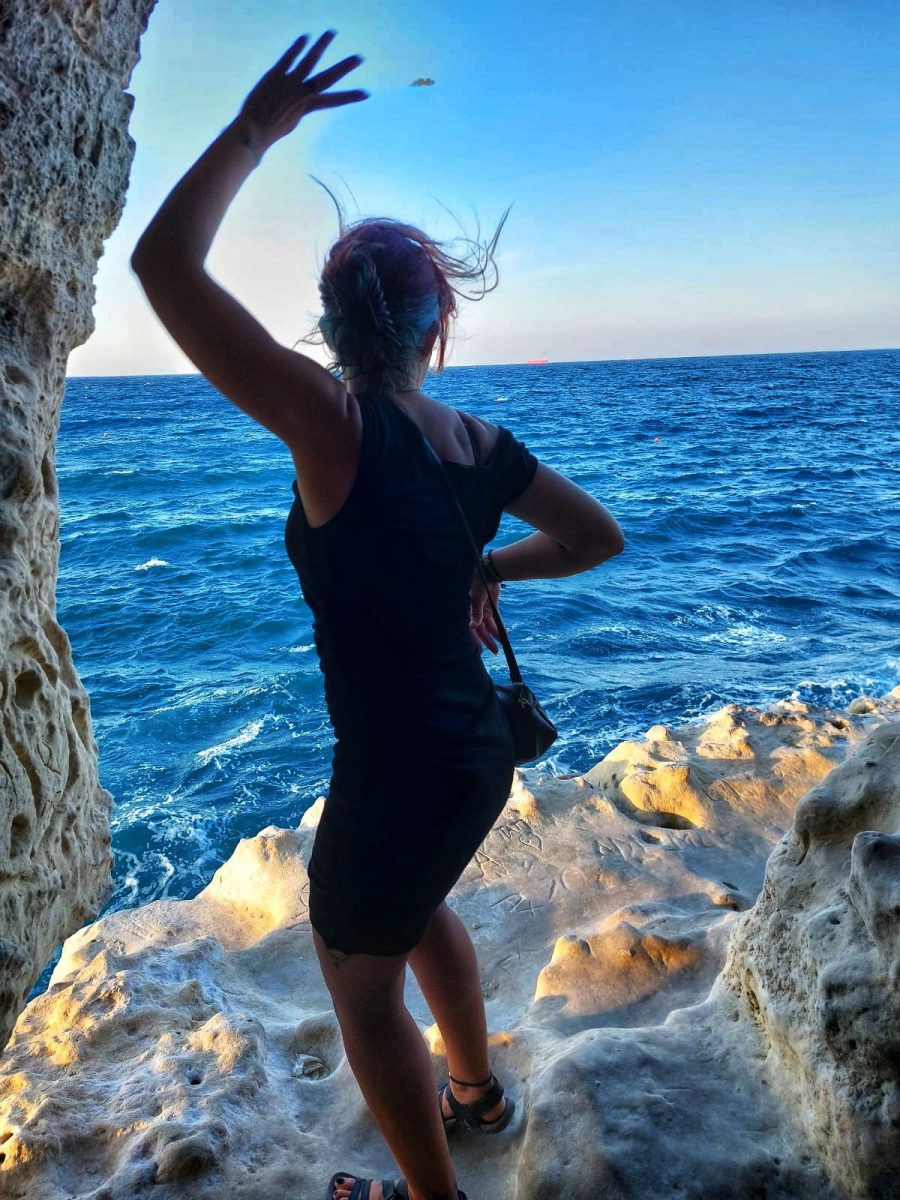
The second cave is the most significant, located a few kilometers from the main one. Both caves have tunnels that provide direct access to the sea, either by swimming or by boat.

The Little Cave is of considerable archaeological importance due to the Messapian (as well as Latin and Greek) inscriptions that were rediscovered there by archaeologists.
In contrast, the more famous Grotta della Poesia is particularly charming for its elliptical shape and larger size, which gives everyone the chance to enjoy a wonderful swim after taking a massive 5-meter plunge.
We spend the rest of the evening in Lecce, just a few kilometers away.
Lecce, the elegant city
The sun was setting just as we arrived. But that didn’t stop us from noticing the brilliance of the limestone on the buildings in the historic pedestrian-only center.
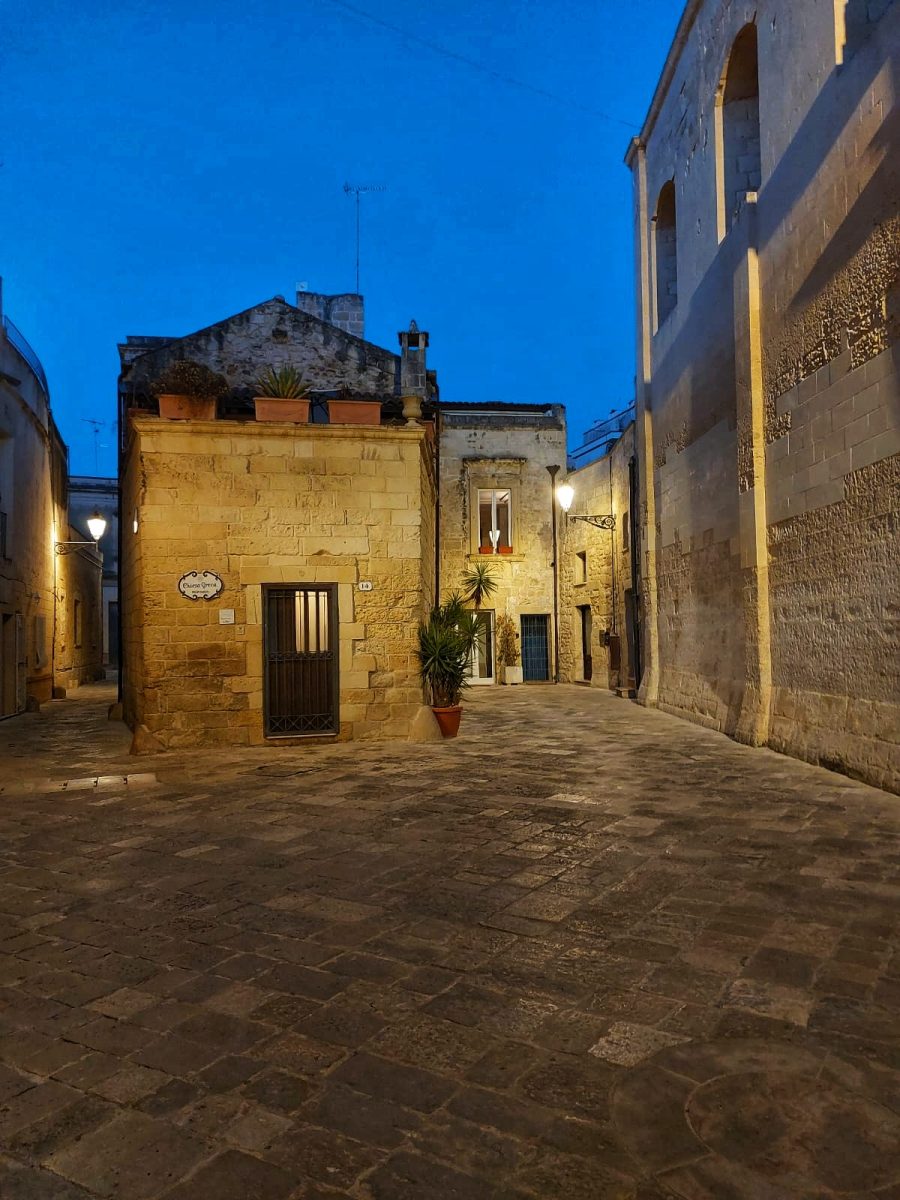
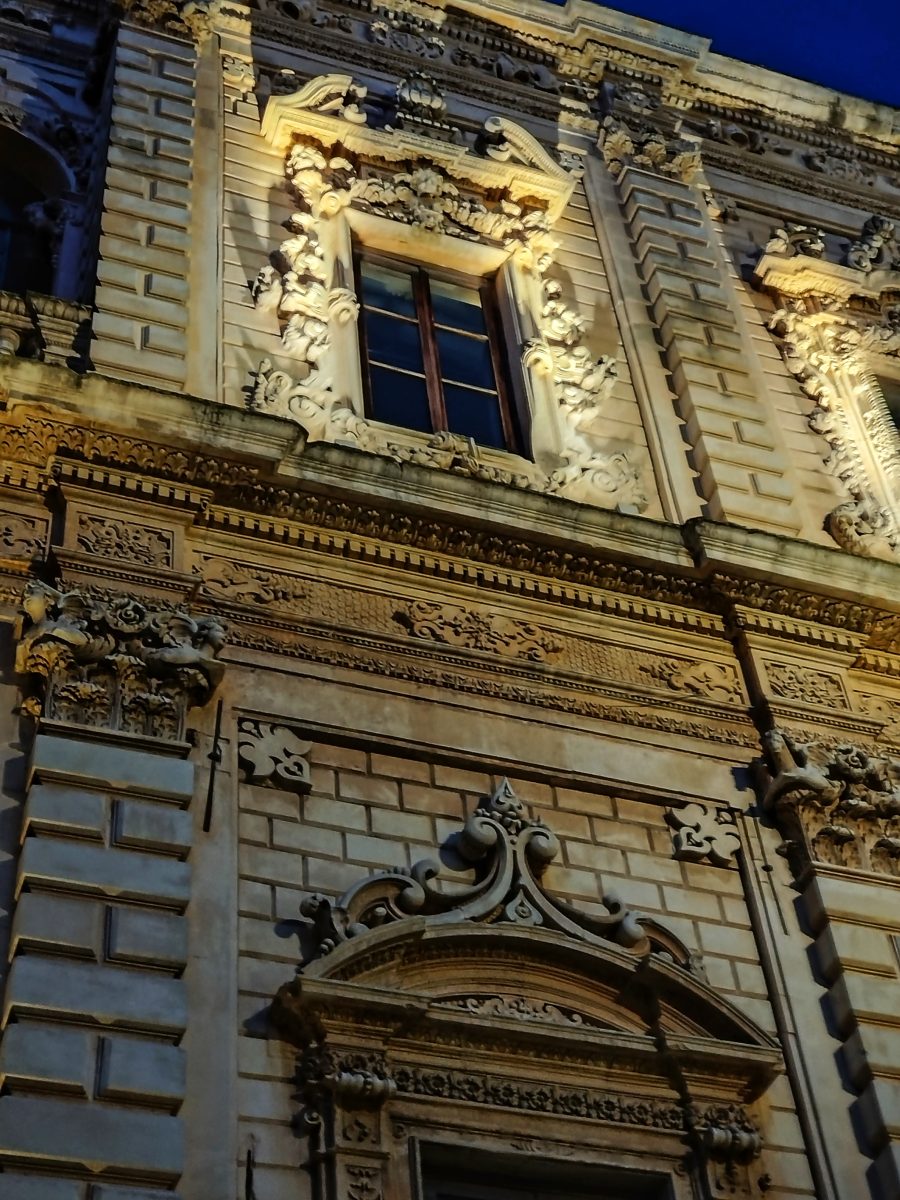
Renowned for its artistic heritage and considered one of the capitals of Baroque architecture, thanks to the originality and richness of the architectural style that developed there from the late 16the century, thanks to the exceptional malleability of the local limestone, known as “Lecce stone.” There is even talk of a “Lecce Baroque,” which possesses its own distinctive characteristics and architectural vocabulary. We stop at a lounge bar.
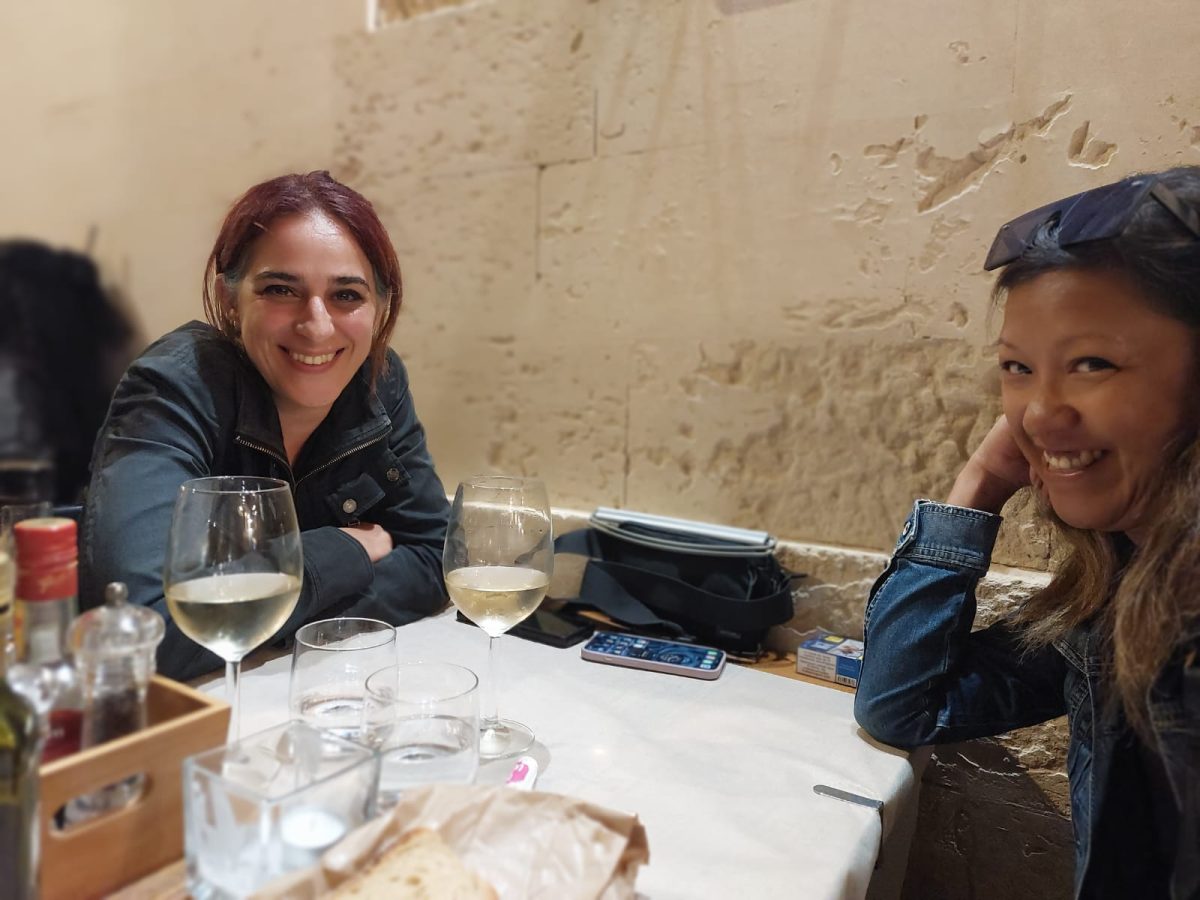
We have dinner at Miro Coffee, Bistrot & Lounge Bar in the center of Lecce. An excellent restaurant with welcoming staff—we thoroughly enjoyed our meals.
Exhausted, we head back fairly early.
Ostuni and its “White City”
Located in the province of Brindisi, it is perched on three hills.
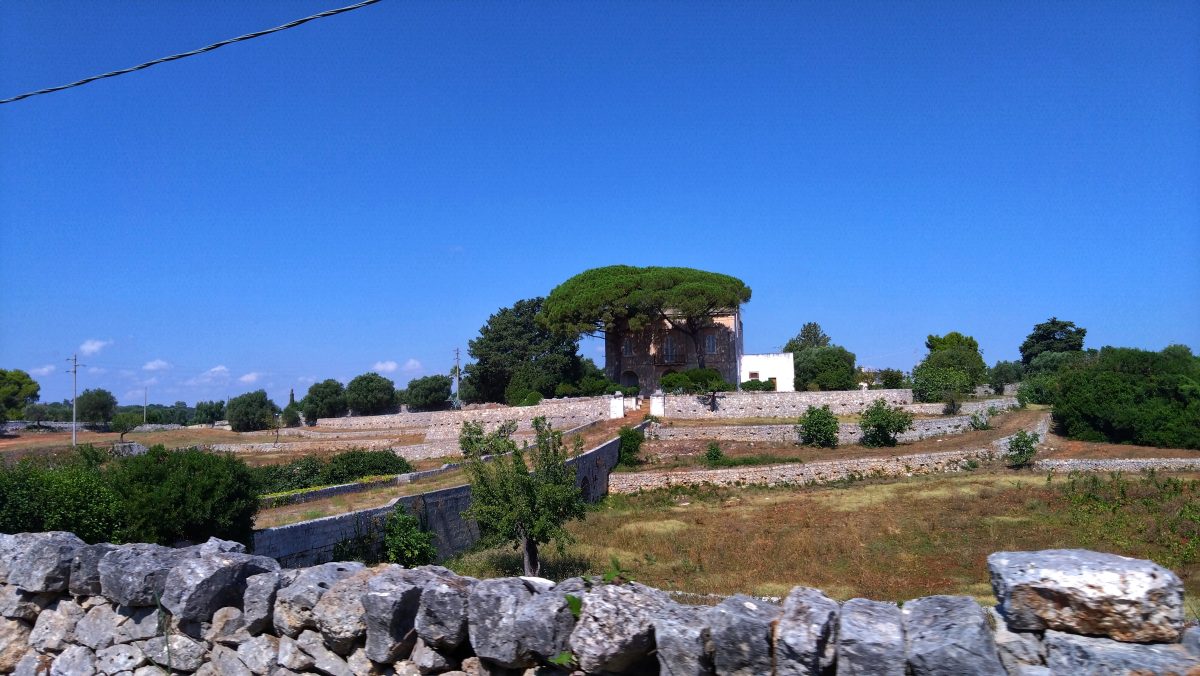
Inhabited since the Stone Age, Ostuni developed in the 7th century B.C. with the arrival of the Messapians. The Greeks later took control of the city during the wars and left their indelible mark.
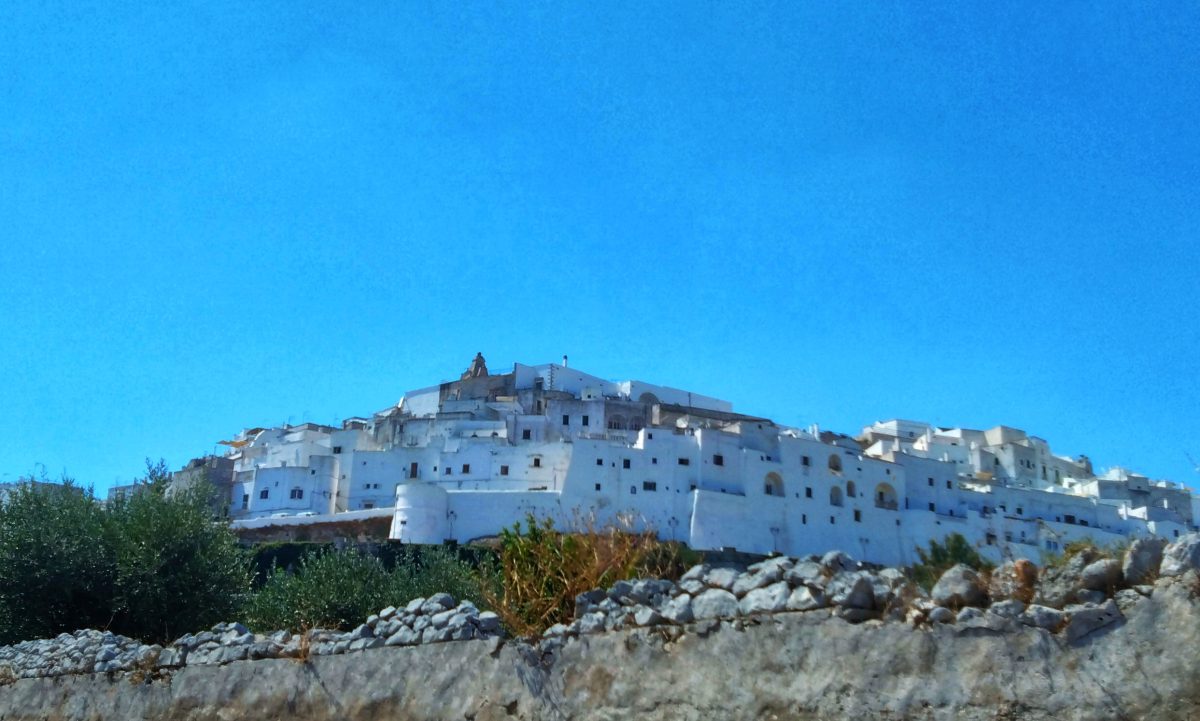
Like most towns in southern Italy, Ostuni saw the Saracens, Byzantines, Normans, Aragonese, and Spaniards pass through; like the Greeks, they all left their mark.
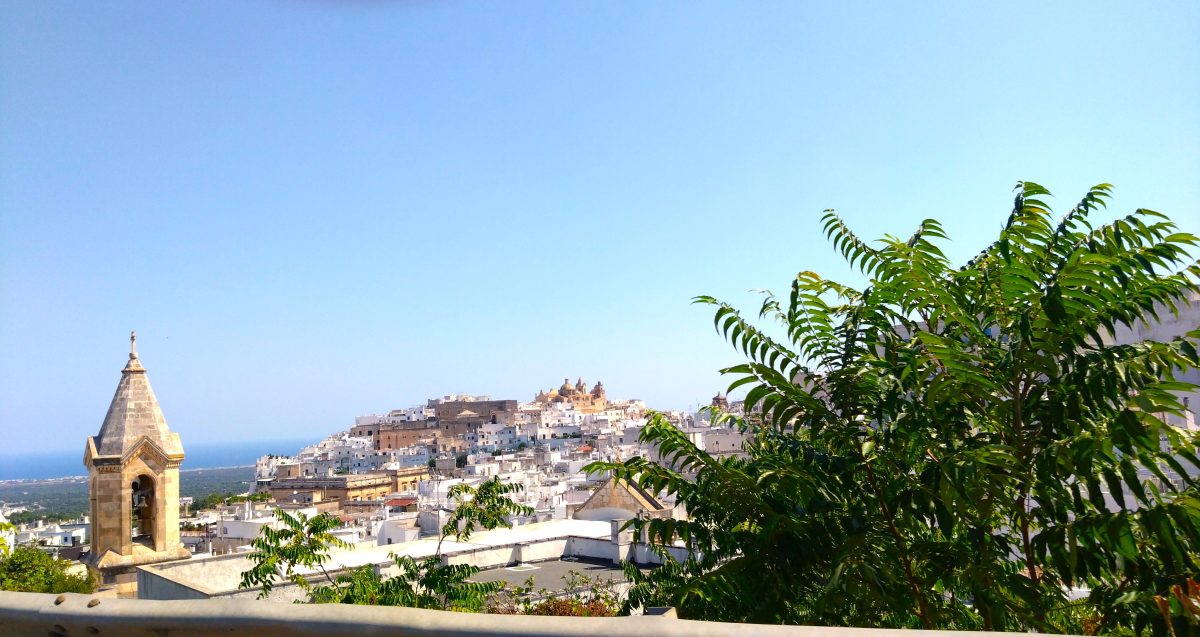
The appearance of white facades in Ostuni dates back to the time of the 17th-century plague. Local authorities decided to whitewash the entire town with lime to illuminate every nook and cranny in an effort to track down lepers. I have to admit, that’s a bit of a grim story!
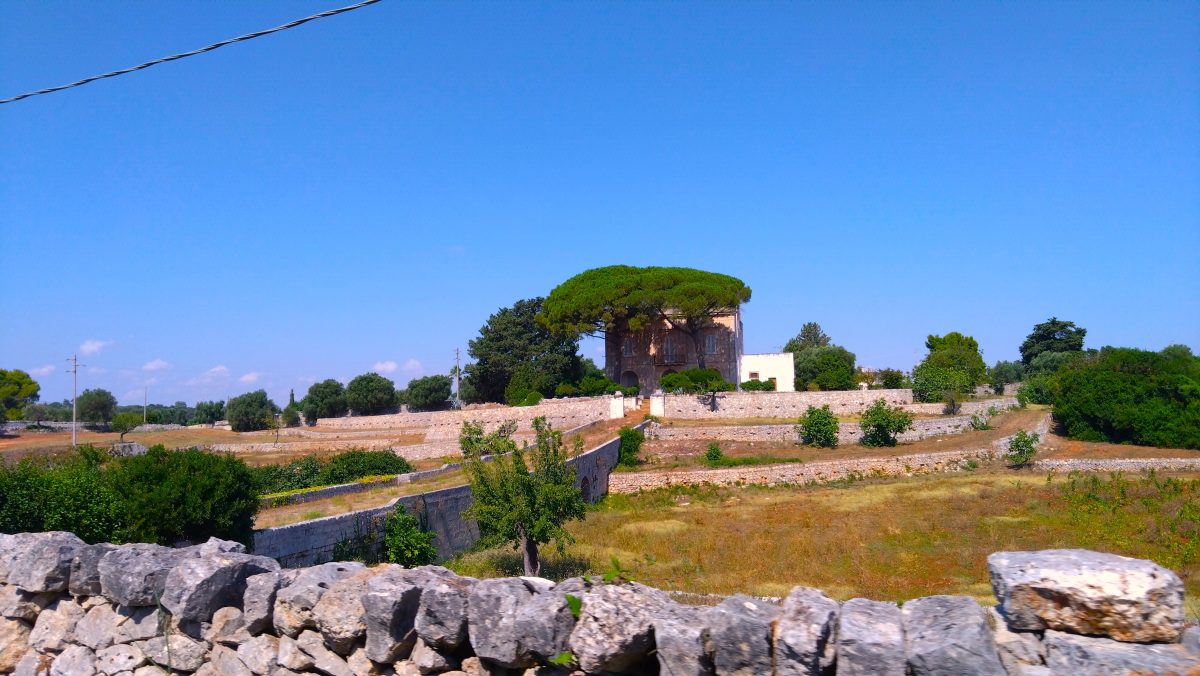
After buying some olive oil and honey, we headed to Spiaggia di Pilone, a beach near the city’s regional nature park—it’s quite spacious and less crowded than any of the other beaches we’d visited previously. We stayed there for a few hours to relax before ending the day in Monopoli for a bite to eat.
It’s our last day in Puglia—we’re heading to the Cinque Terre for a nearly 700-km overnight drive.
See you soon, friends,
Ninve,
A few photos of Puglia to feast your eyes on!
[Best_Wordpress_Gallery id="54" gal_title="Puglia"]


Alberobello and its trulli in Puglia

You May Also Like
Yogogi Koen, the central park of Shinjuku

Mancora, the beaches of your dreams