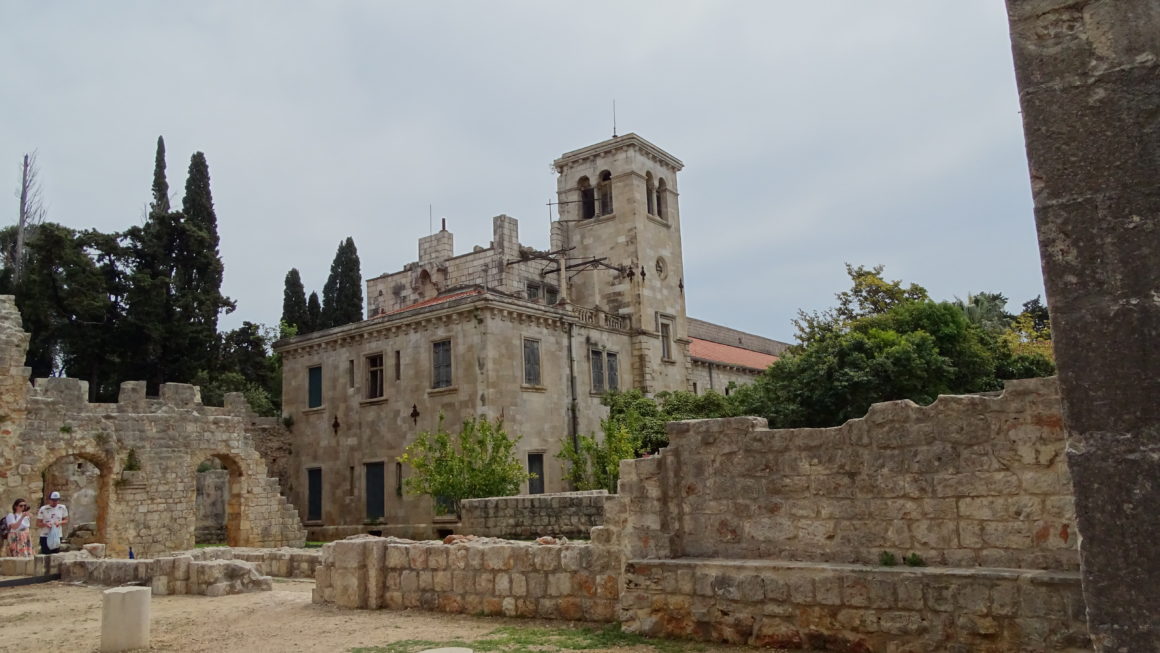
Lokrum, off the coast of the old city.
After spending a lovely day walking, relaxing, and swimming, the next day my curiosity led me to Lokrum Island.
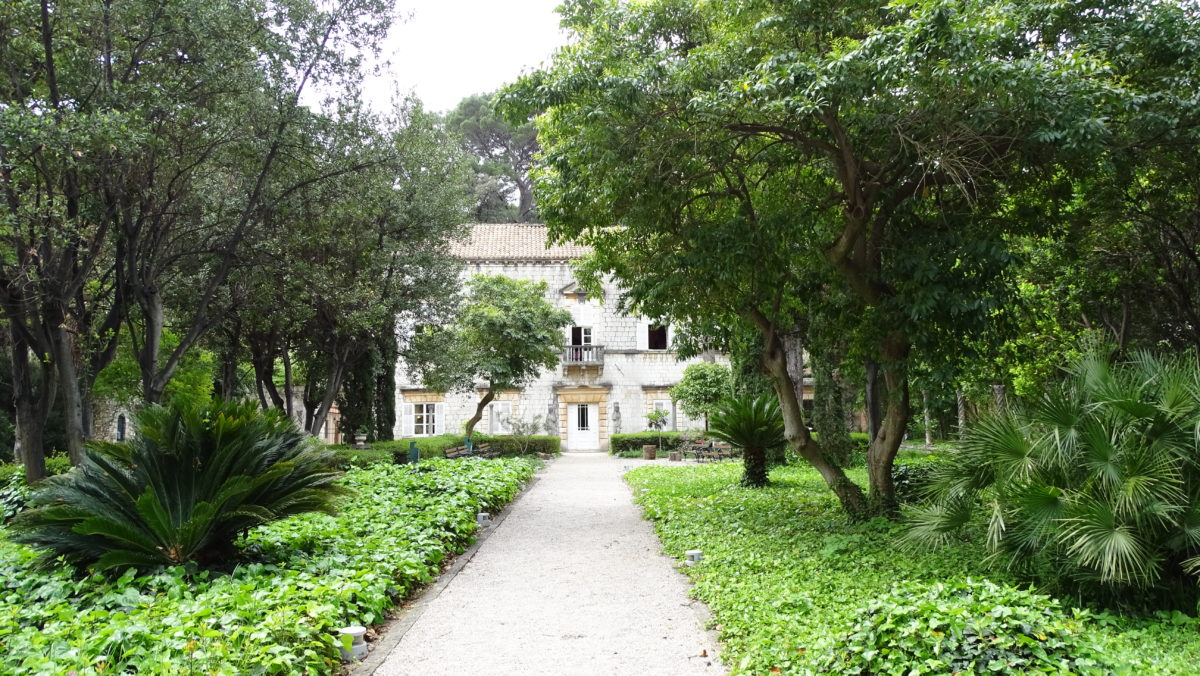
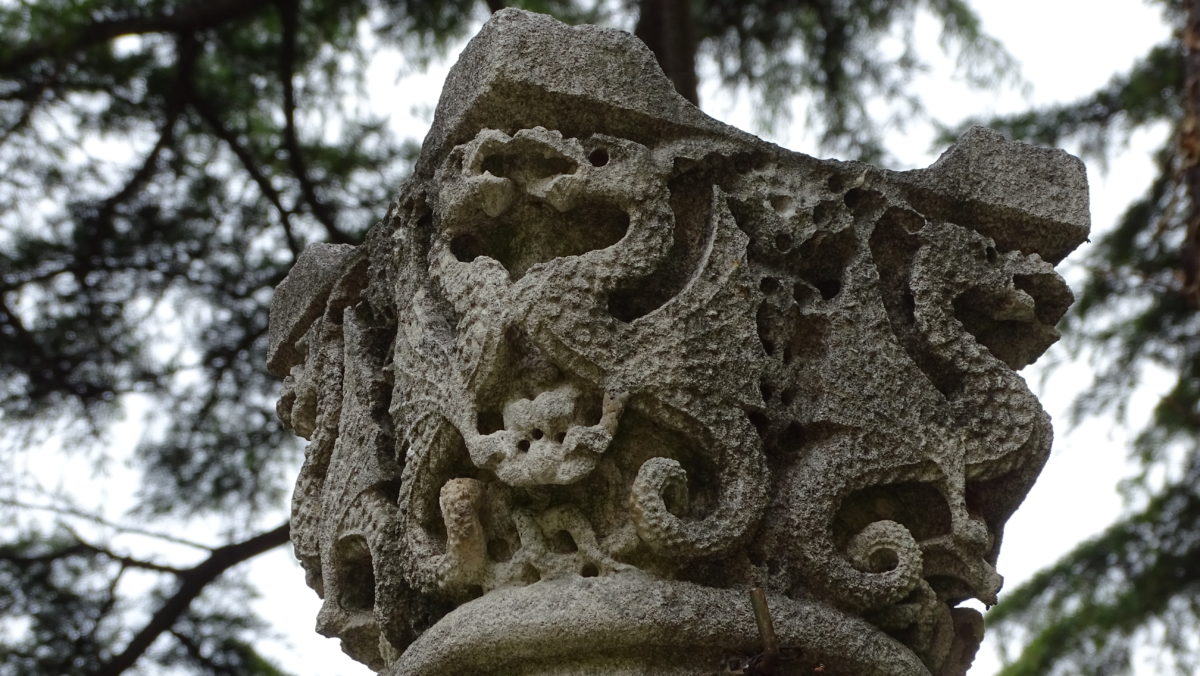
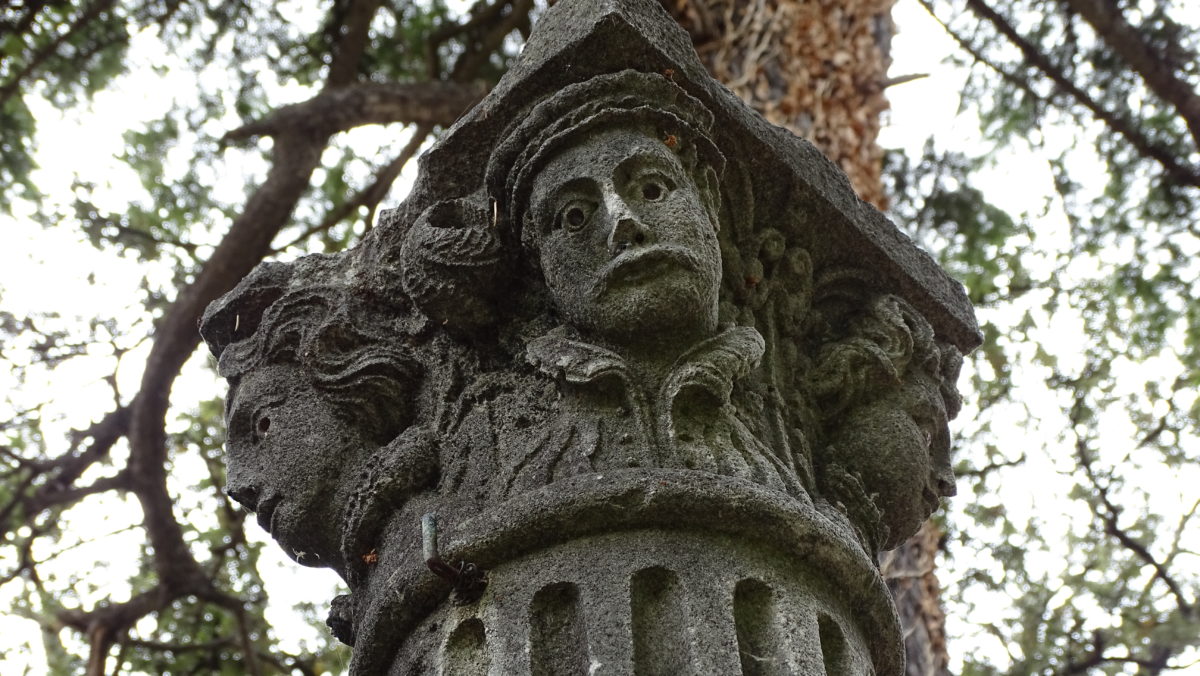
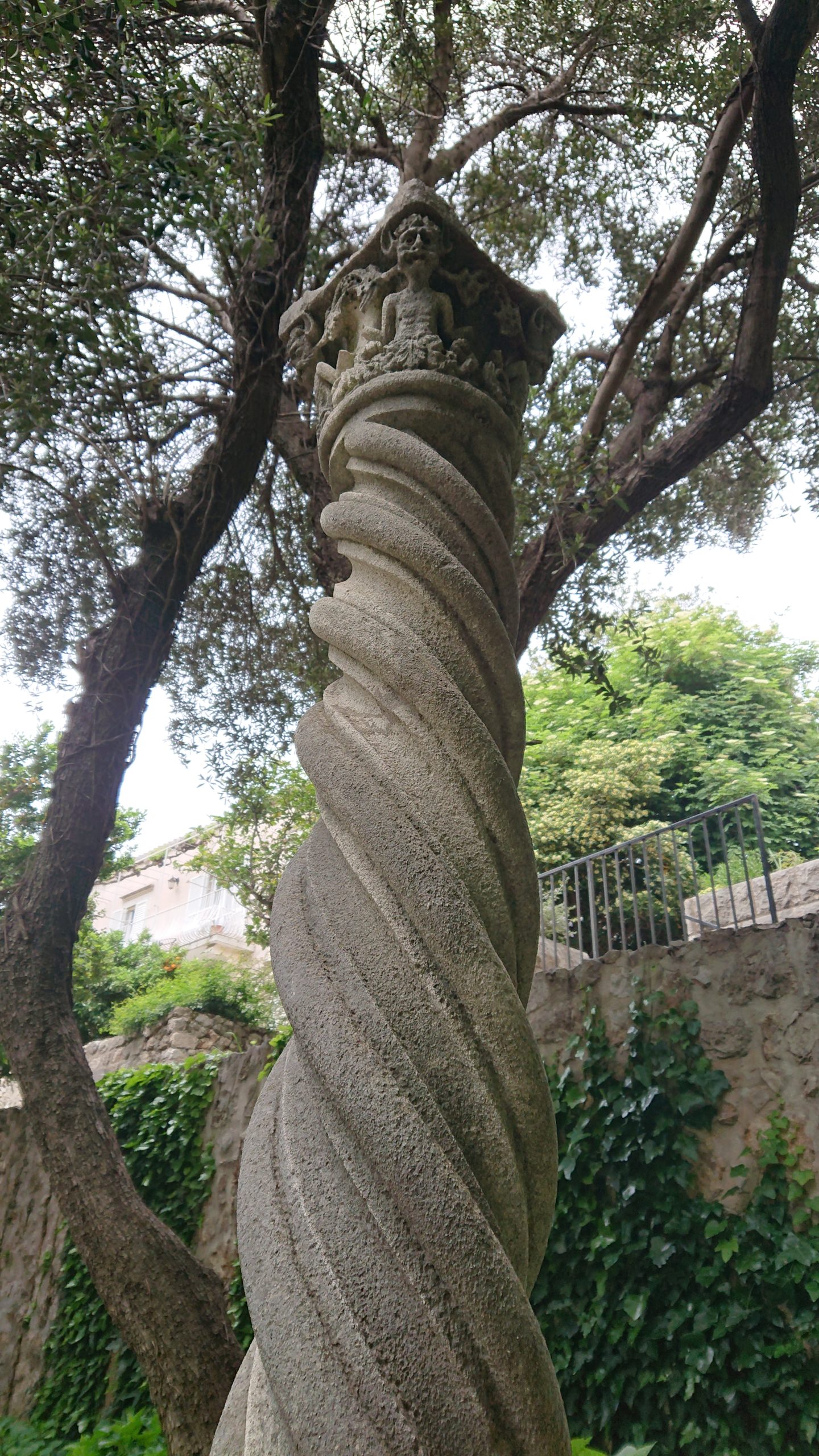
On the way to the old harbor—the route I’ve taken every day since I’ve been here—I came across an open gate leading to the garden of a very old building. But my gaze lingered mainly on the columns that adorn this mystical place, right across from the old St. Elizabeth Church.
What makes these columns unique is the peculiarity of their capitals—the tops of the columns. They feature depictions of faces and animals.
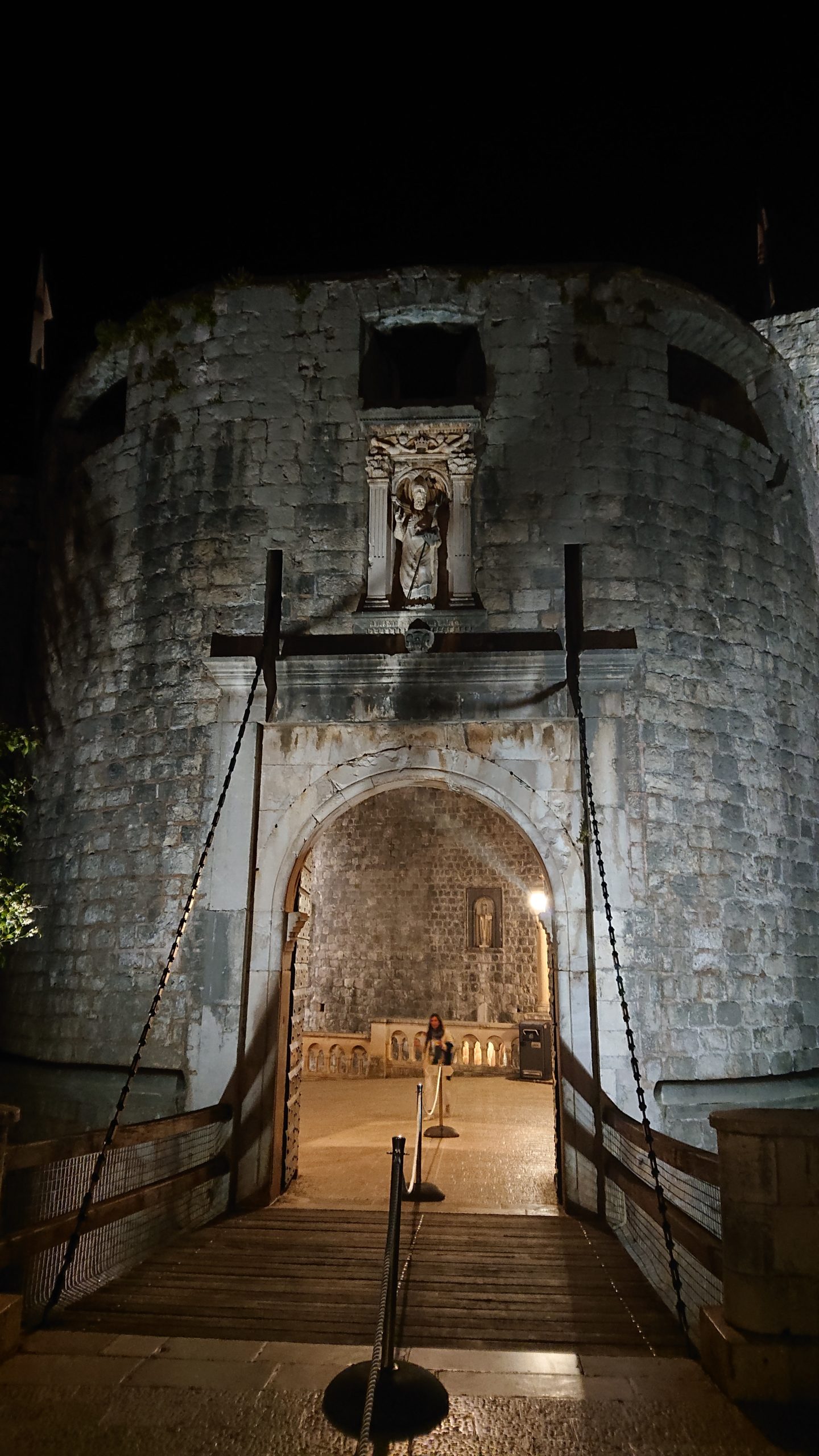
Once again, breaking with tradition, I head back through the old town to reach the old port, not far from the south gate, Ploče. The ferry and entrance fee to the island cost 200 kn. The trip takes about 15 minutes, and there’s a ferry every half hour. The last trip leaves at 5:30 p.m., and no one is allowed to stay overnight on the island. Lokrum is protected as a nature reserve.

It stretches for 2 km. Its history dates back to the 10th century, when the Benedictine monastery was founded. According to legend, around the 12th century, Richard the Lionheart’s ship was shipwrecked off the coast of the island, where he found refuge upon his return from the Crusades.
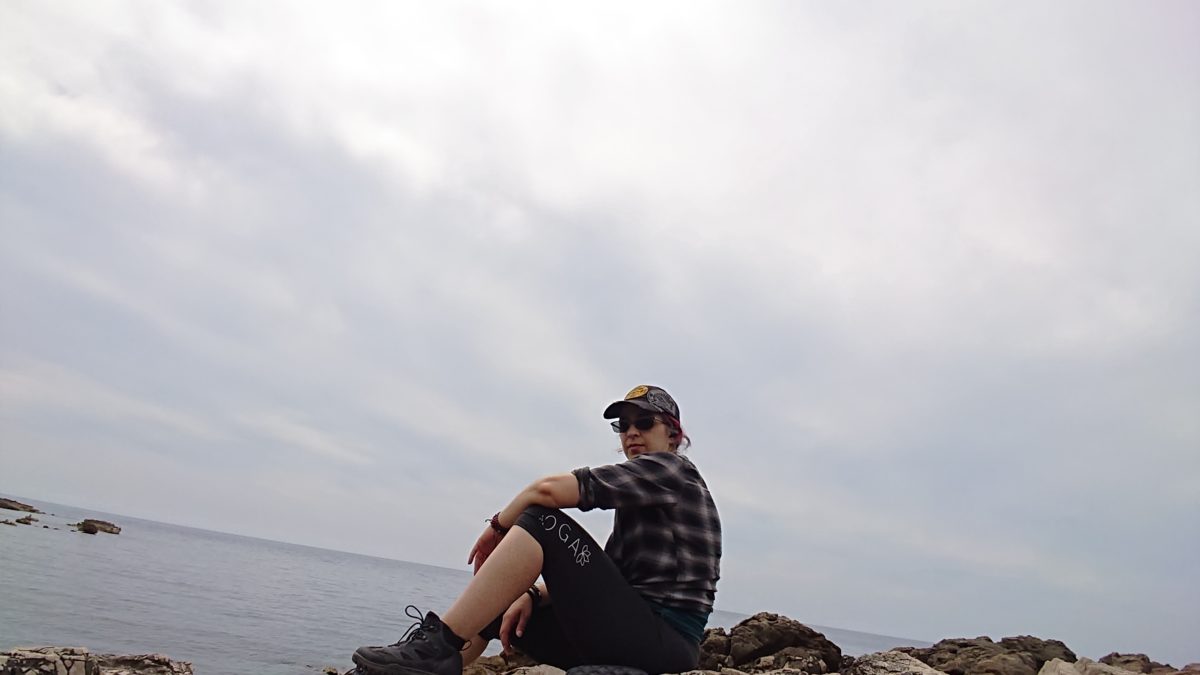
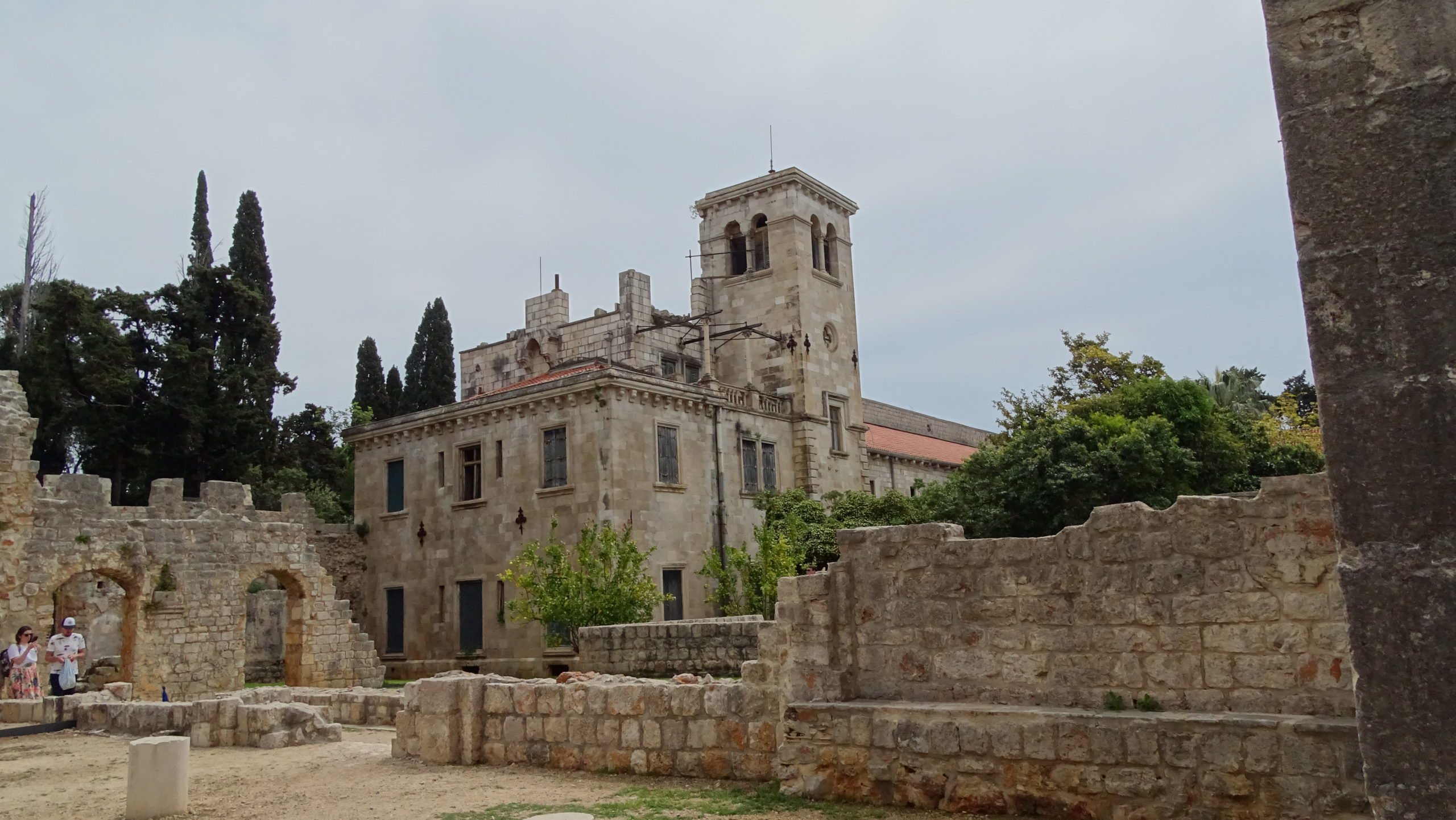
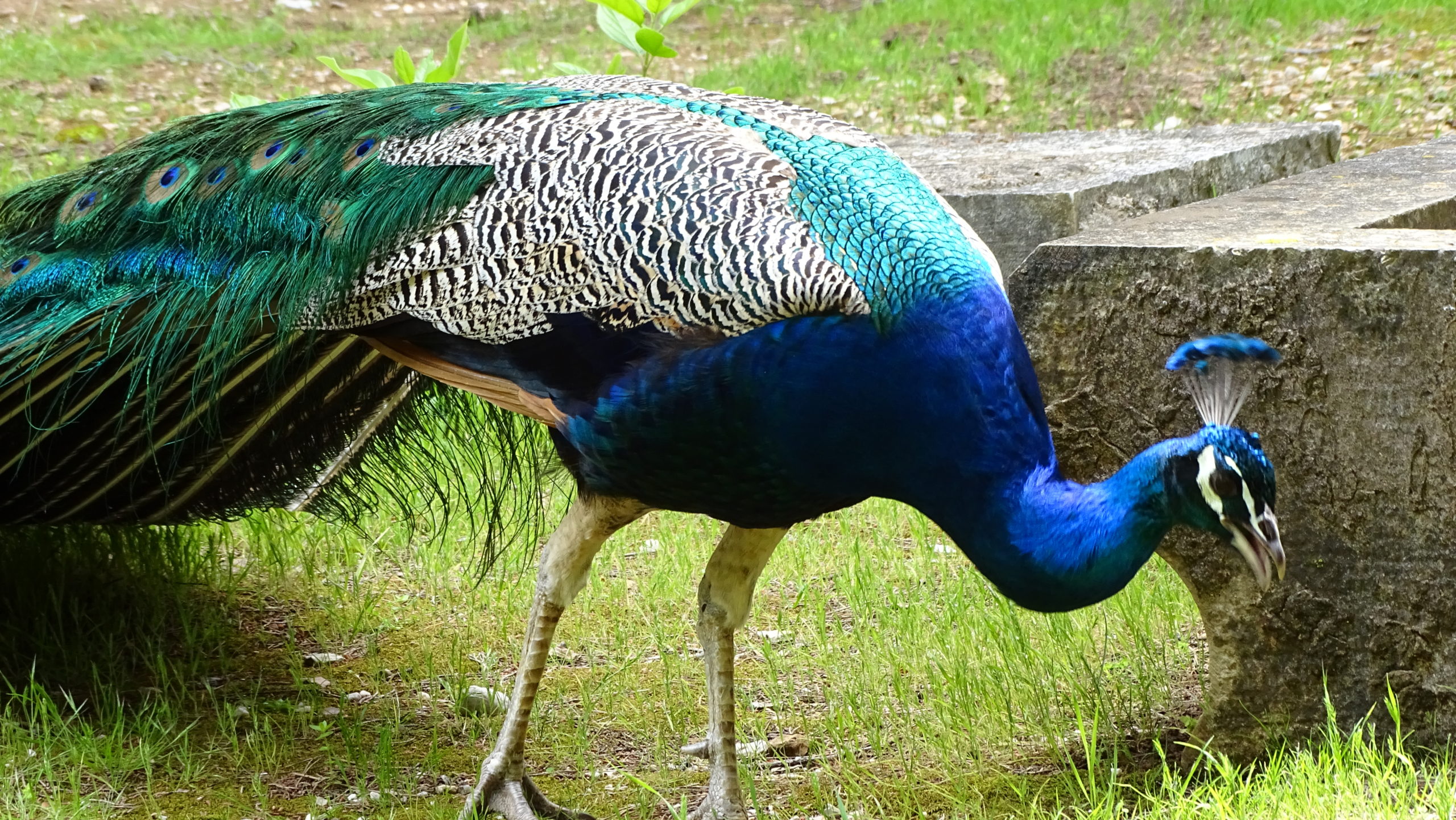
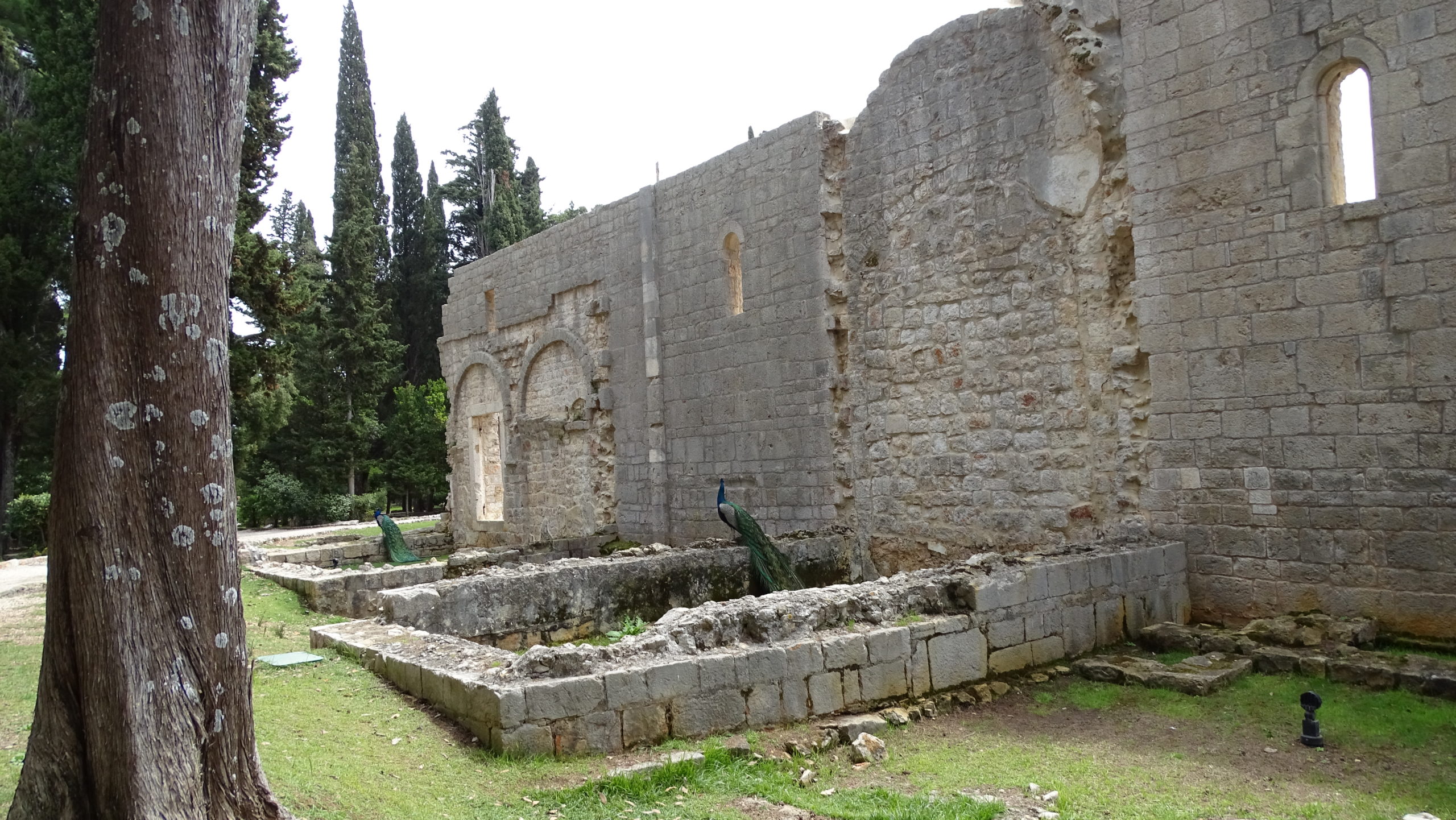
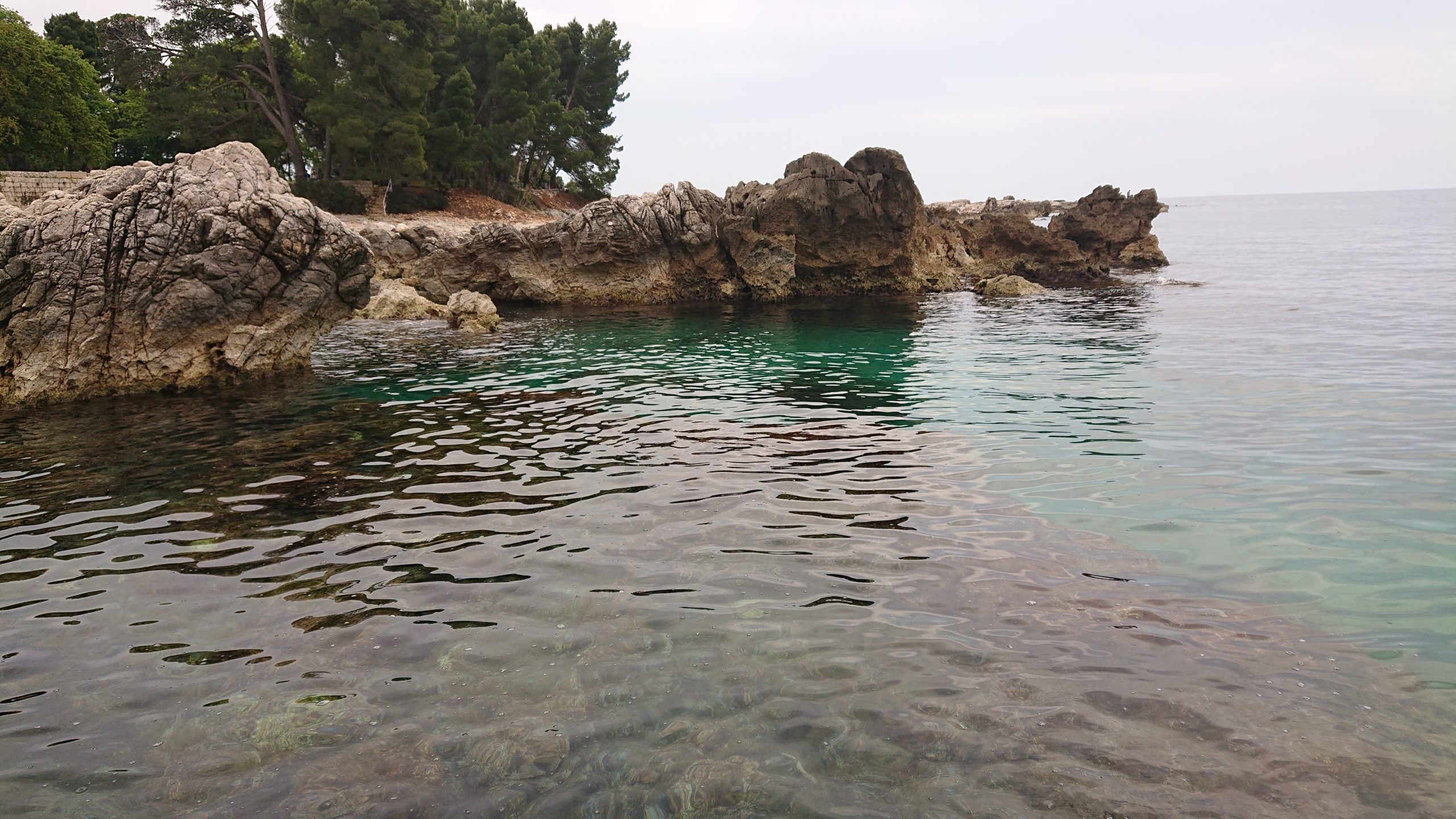
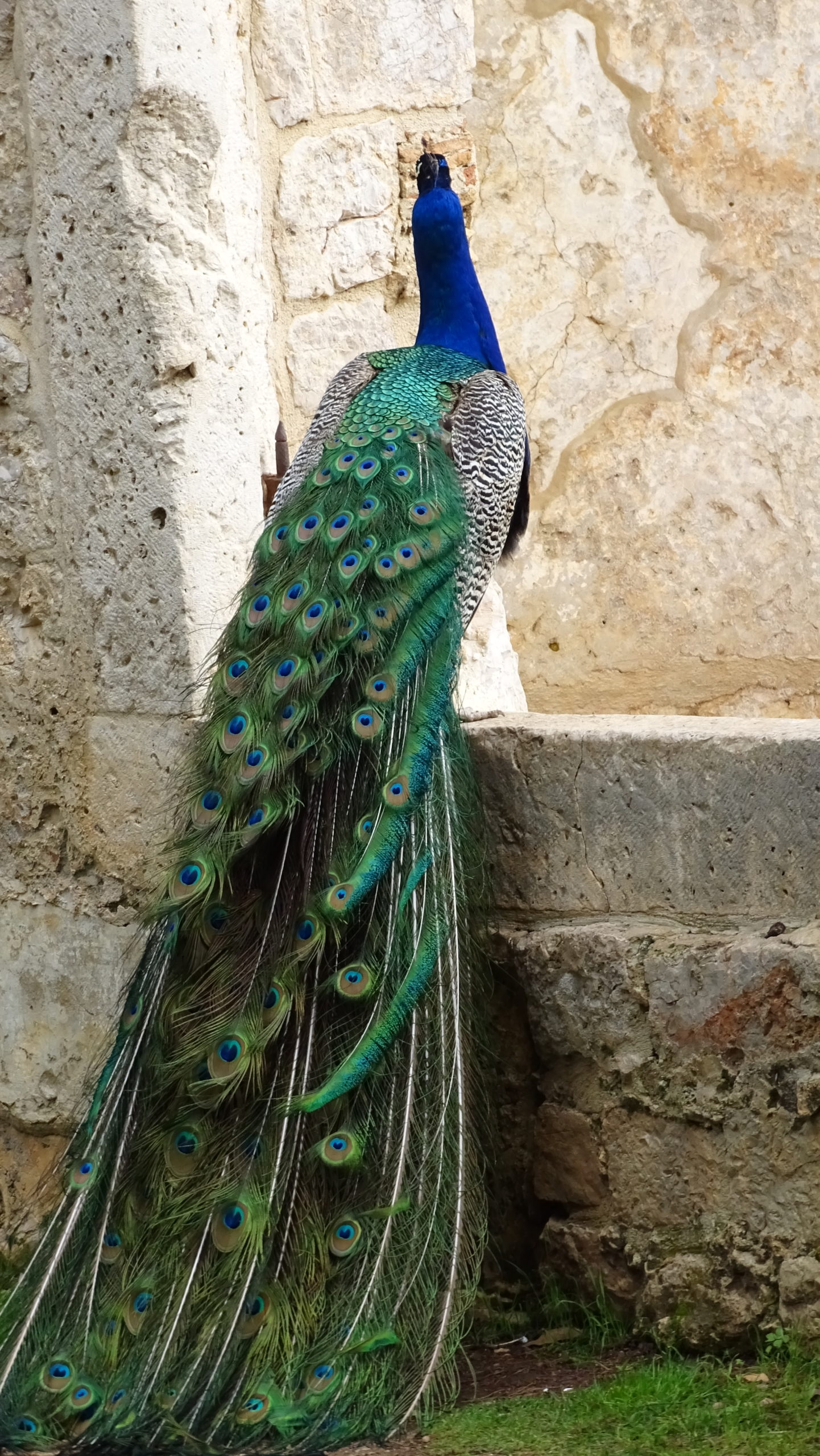
This island doesn’t have a beach in the strict sense of the word; in fact, it’s really just a big rock that I’m walking on today. I’m heading toward the old white-stone monastery, which was destroyed in the great earthquake; only the outer walls remain. A few peacocks have made their home in this place that was once sacred.

I walk to the rocky shore and have lunch there, right facing the sea and the distant horizon.
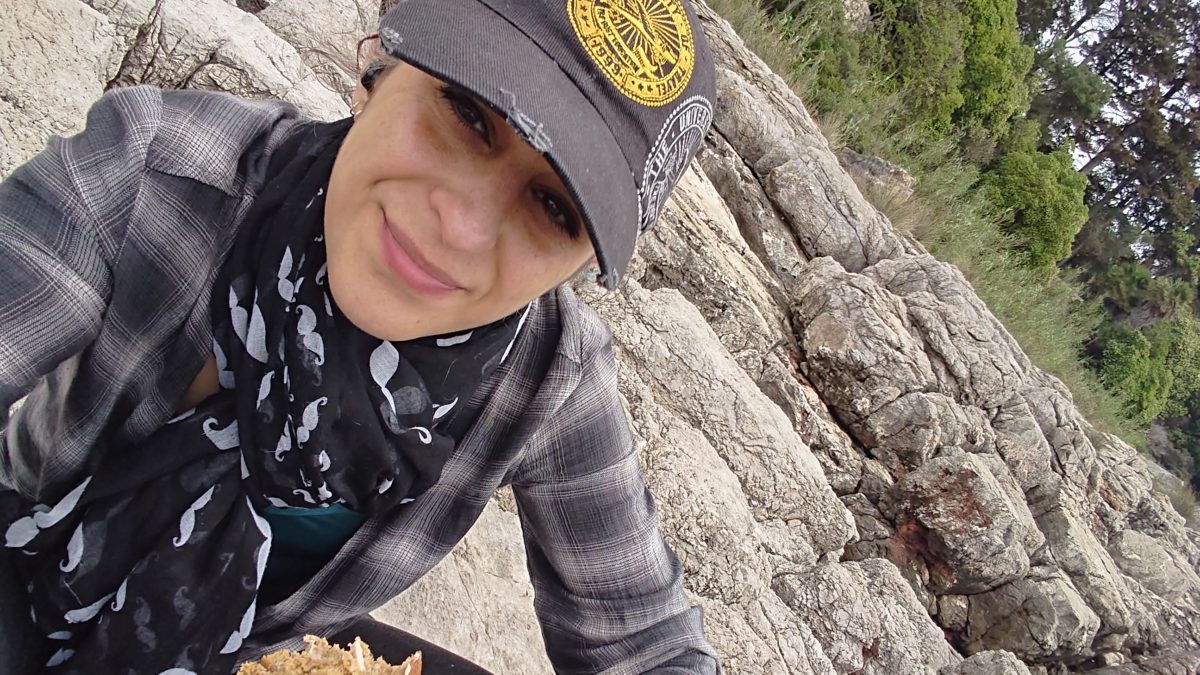
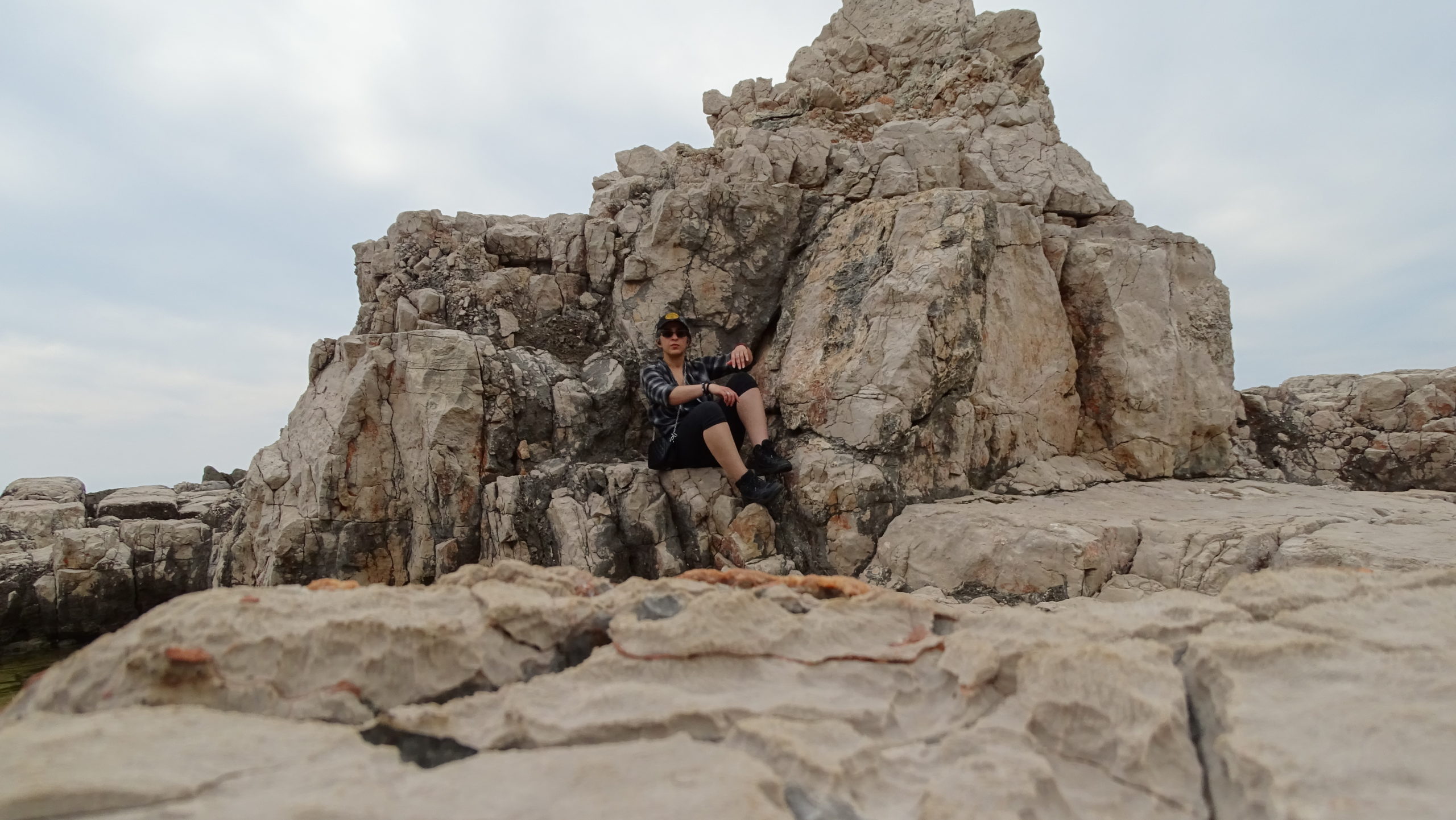
I stay there for a while, and then people start approaching and settling down around me, even though the spot is quite spacious. I decide to move on, and in the end, like a child, I hop from rock to rock for nearly an hour, until I reach a spot where the cliff begins.


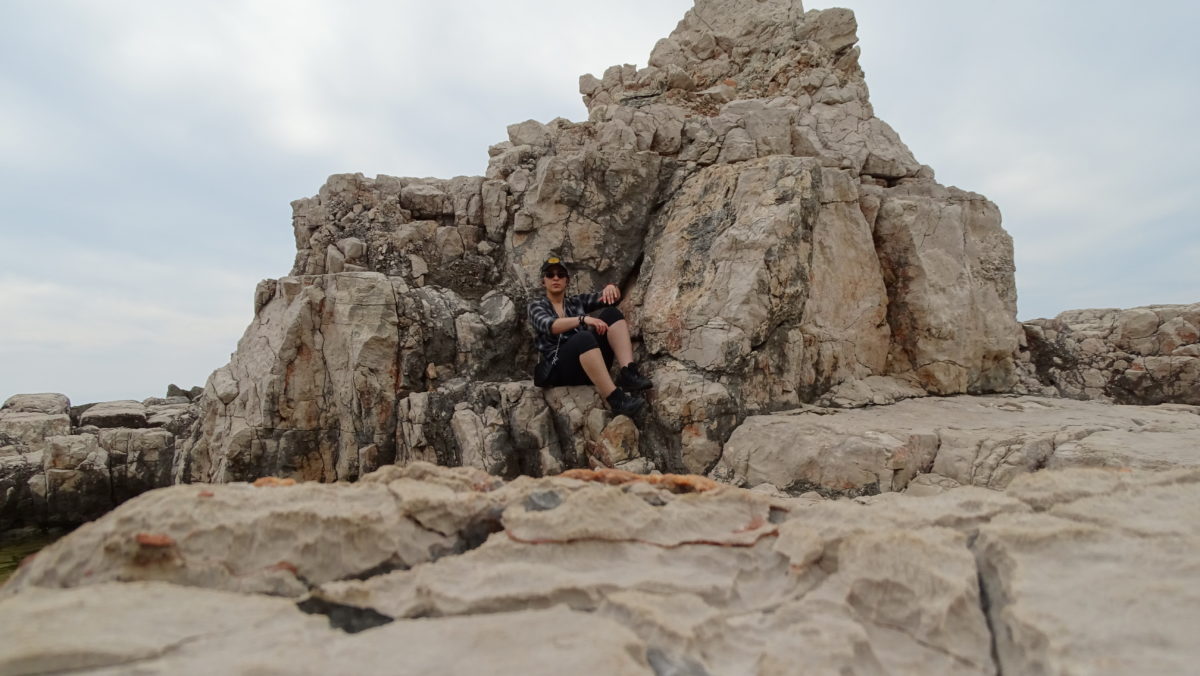
Once I can’t find any more paths, I head inland to find the famous lake called Mritvo more, the Dead Sea. It’s not quite so dead, though, since I see fish there.

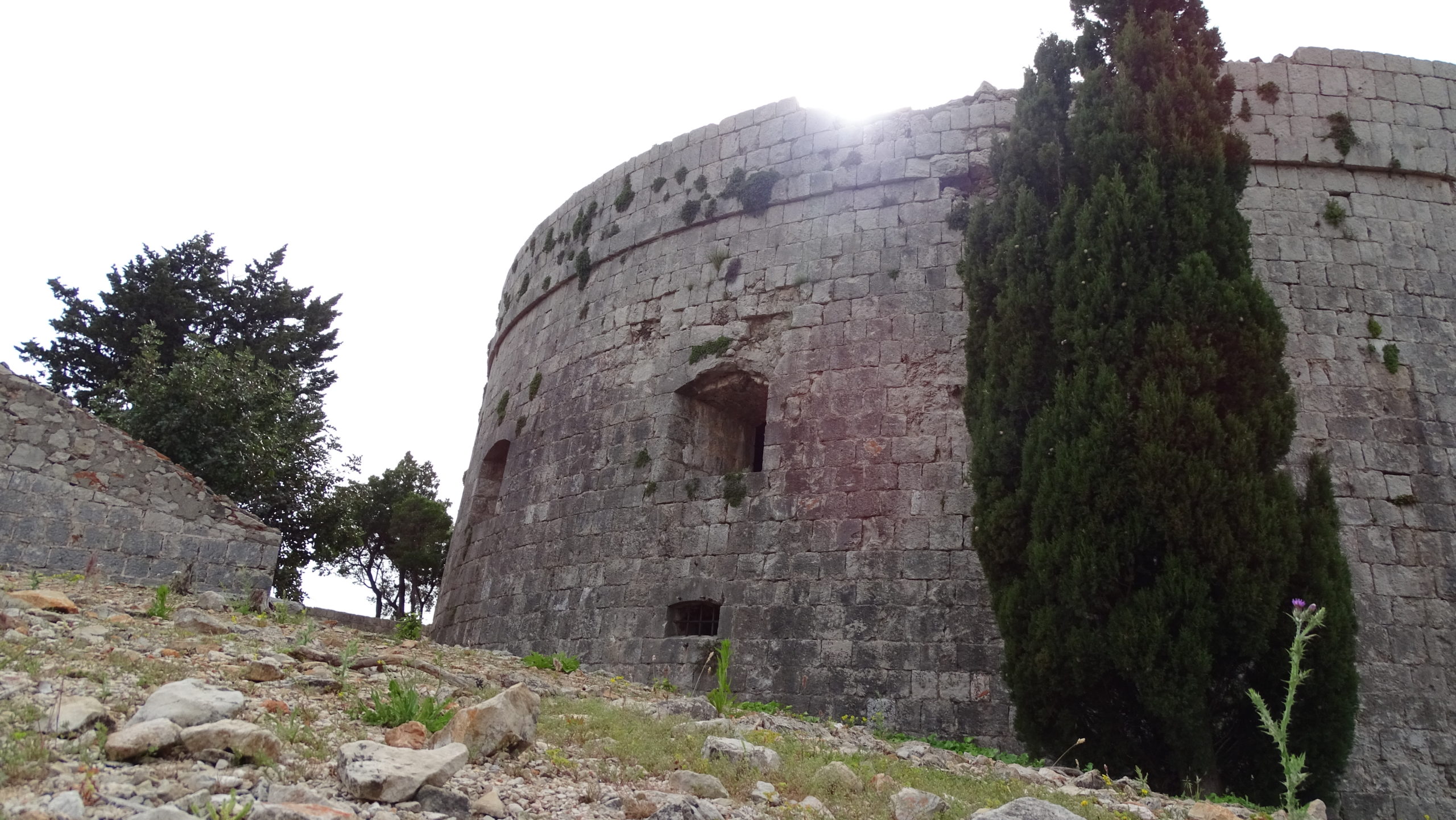
After completing my tour, I head toward the forest, taking a path that leads me to the island’s highest point, where the royal fort is located.

This fort is located on the opposite side of the Dead Sea, so I turn back, cross the botanical garden, and pass by the monastery again.


On the way to the fort is the island’s large reservoir. The climb is quite challenging; even though the sun isn’t out, it’s still hot up there!

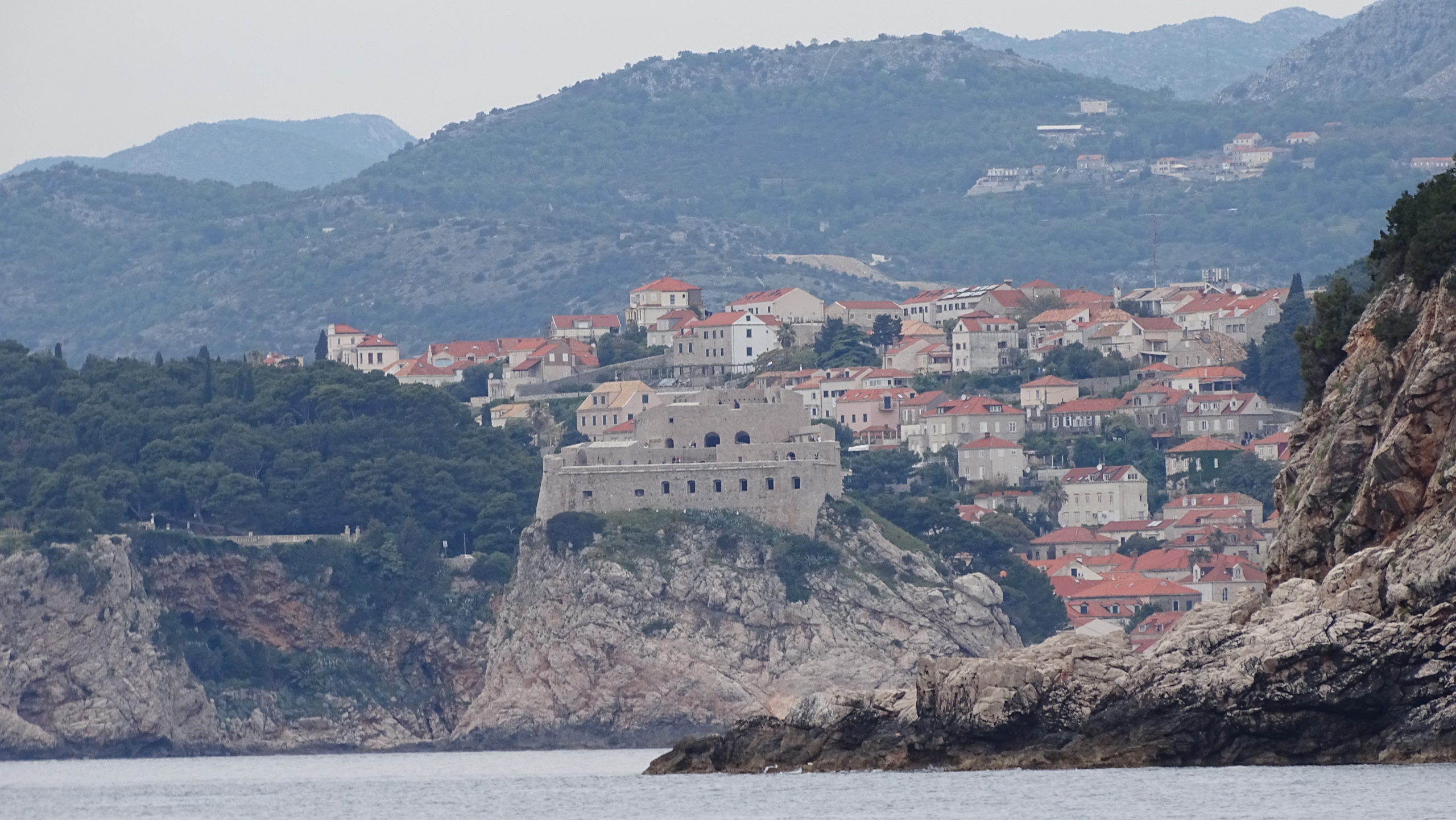
Construction of this fortress was begun by Napoleon’s army after the capture of the Republic of Dubrovnik in the early 18th century and completed by the Austrian administration some thirty years later.


It’s not the place itself that’s extraordinary, but rather the view it offers from the top floor of Old Dubrovnik.

I’m starting to run out of time; it took me over an hour to get here, so it’s time for me to head back to Portoč Harbor.

I’m heading back to the port to catch the last ferry home. I’m hungry and wondering if I should stay in the Old Town for a bit before heading back to grab a bite to eat.


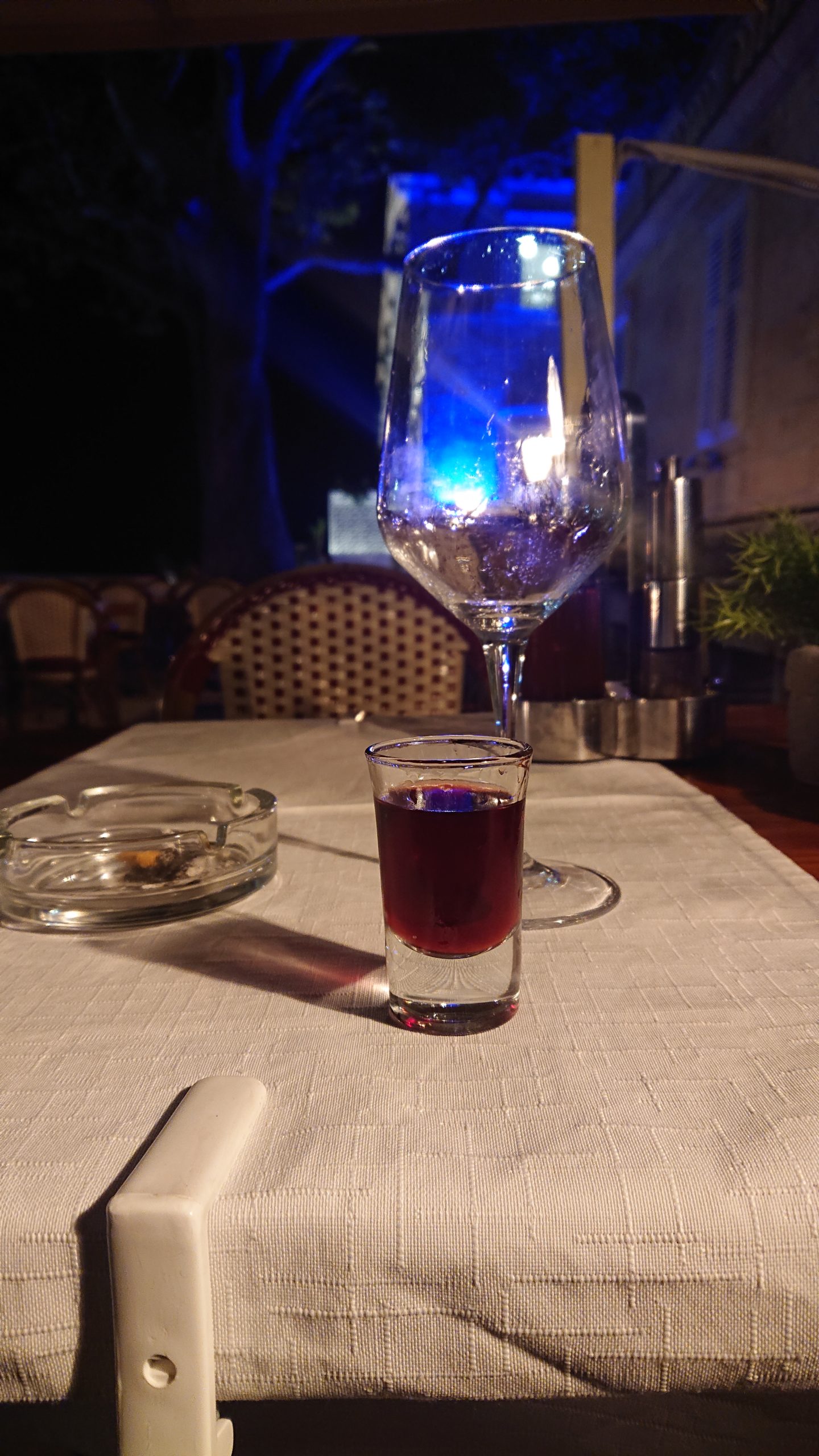
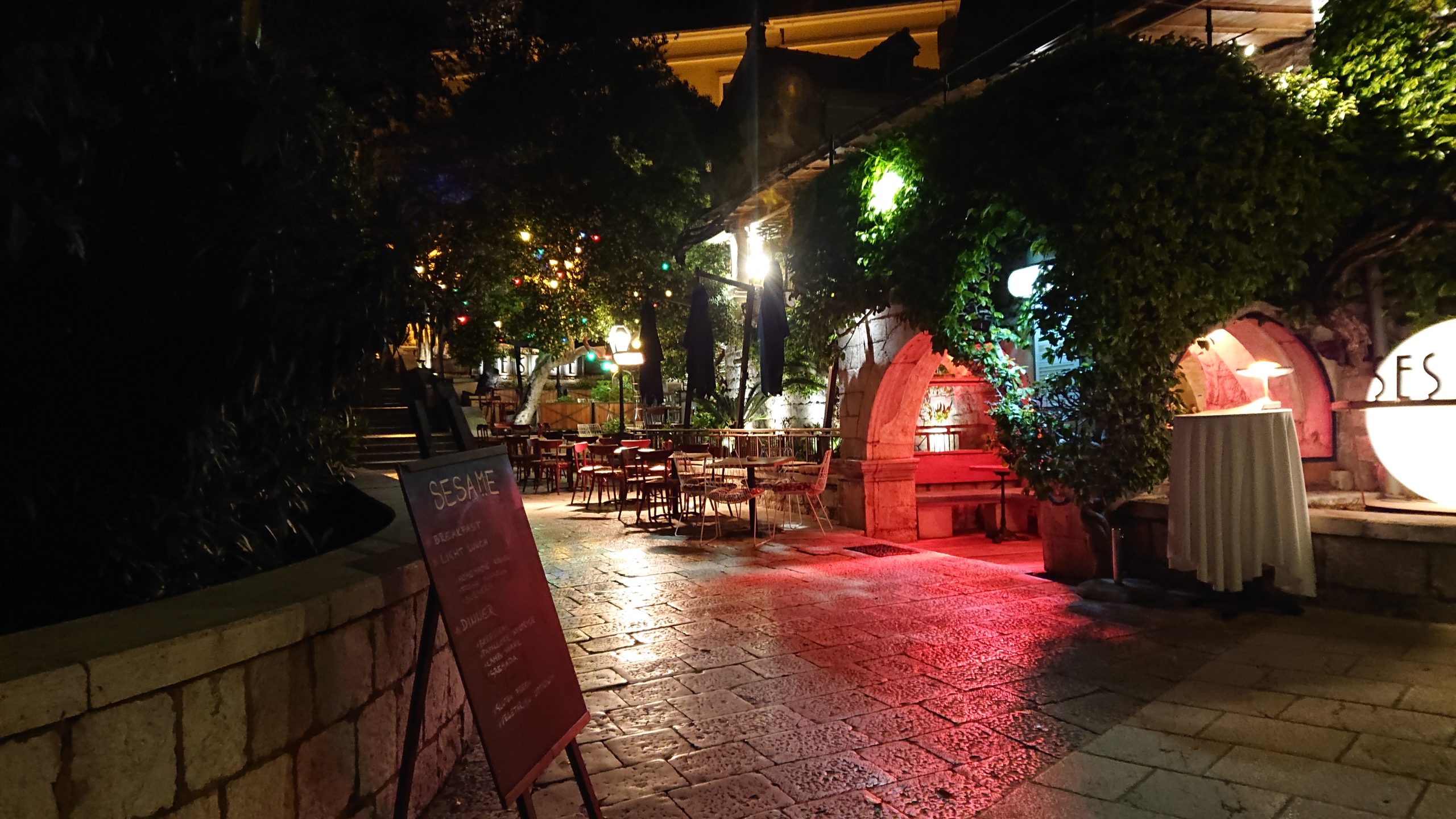
With the cool breeze on the way back, I decide to head back to my host’s place after all to take a nice hot shower, get dressed appropriately, and then head back to the center, to the Magnolia restaurant.
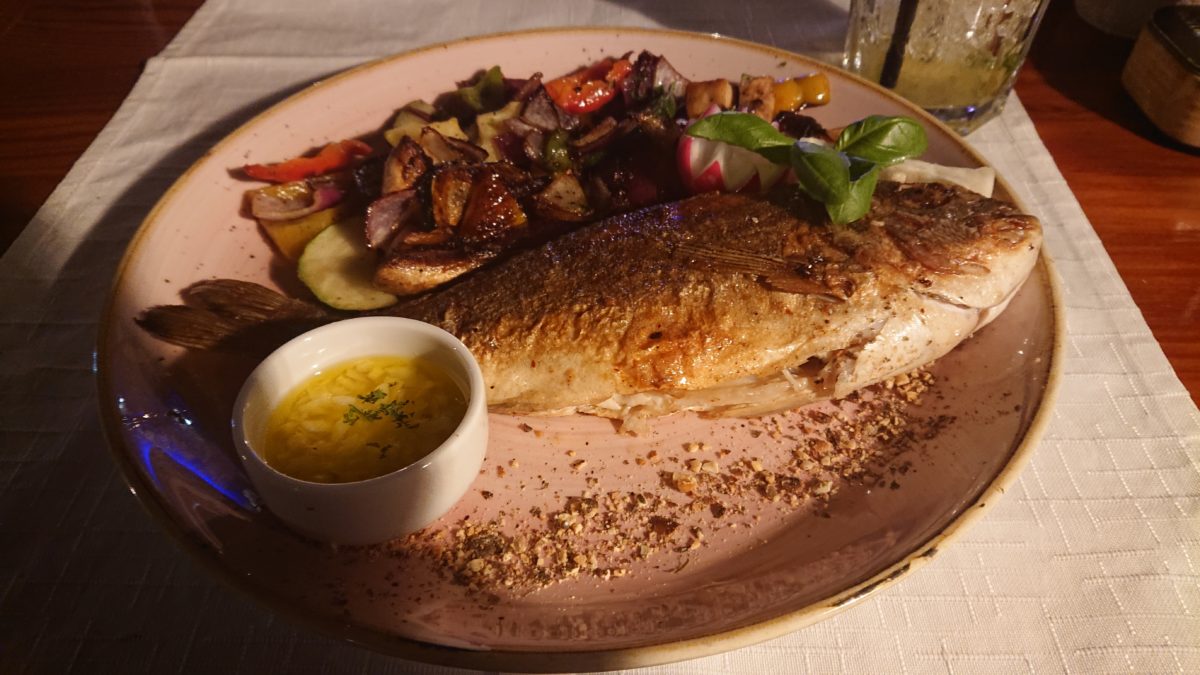
I got to know the waitstaff at the restaurant and picked up a few words of Croatian while I was at it!
Kako ste? => How are you?
Hvala vam => Thank you
Pepeljara => ashtray
I ended my day with a stroll through the old town, despite my exhausted legs’ reluctance.
Yours sincerely,




















You May Also Like
Temples, a park, a market, and Chinatown
Album: Kanchanaburi and Its Famous Bridge.