The Colca Canyon, its mountain range, its terraces, and its condors.

I woke up with a migraine and a sore throat. We all had to be ready by 2:30 a.m.—Erika, her uncle, and her aunt, too. Tough! We had to get to the Plaza de Armas in Arequipa by 3:00 a.m., where a bus would pick us up and take us to the highest point of the Colca Canyon, the Patapampa viewpoint at an altitude of 4,970 meters—needless to say, I was having trouble breathing.
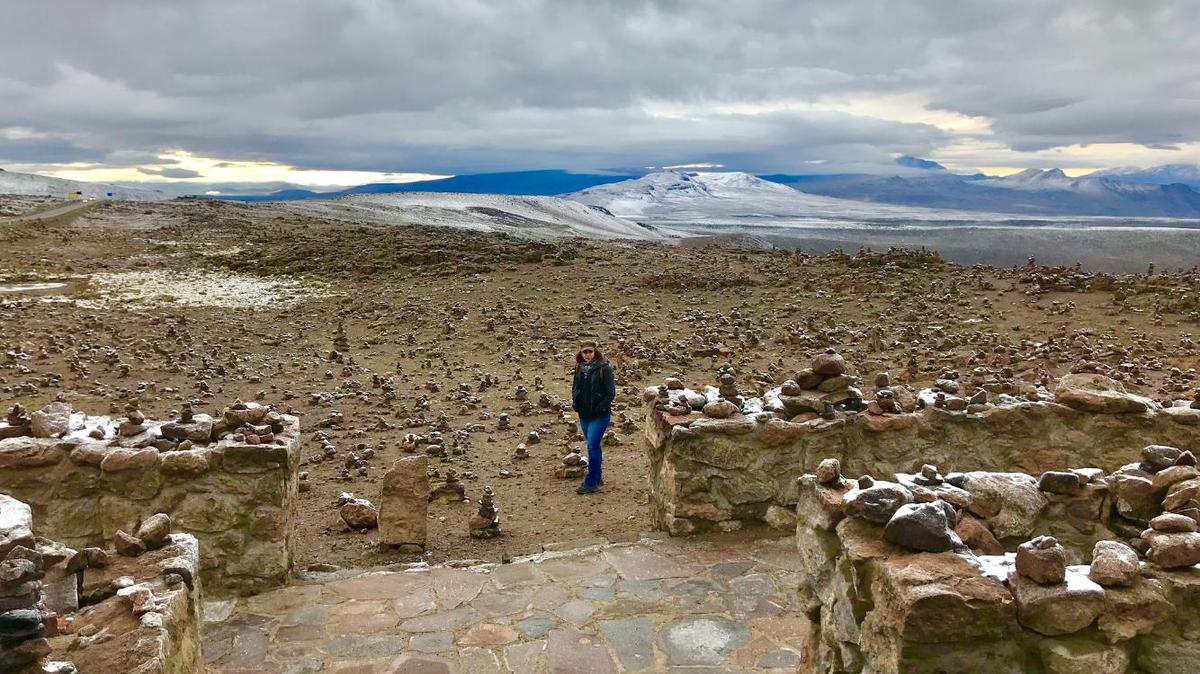
Dawn broke over this snow-capped peak; it was freezing, just like last week in Brussels. But what a view! Even though I was struggling to breathe and getting winded with every step, it was a magical moment, surrounded by the nine volcanoes of southern Peru—one of which was on yellow alert, and El Misti on green alert (calm activity). El Misti is the volcano that towers over the city of Arequipa (elevation 5,822 m, last eruption in 1985)—a bit like Mount Fuji in Japan. But much larger, since Mount Fuji stands at an elevation of 3,776 m and last erupted in 1707.
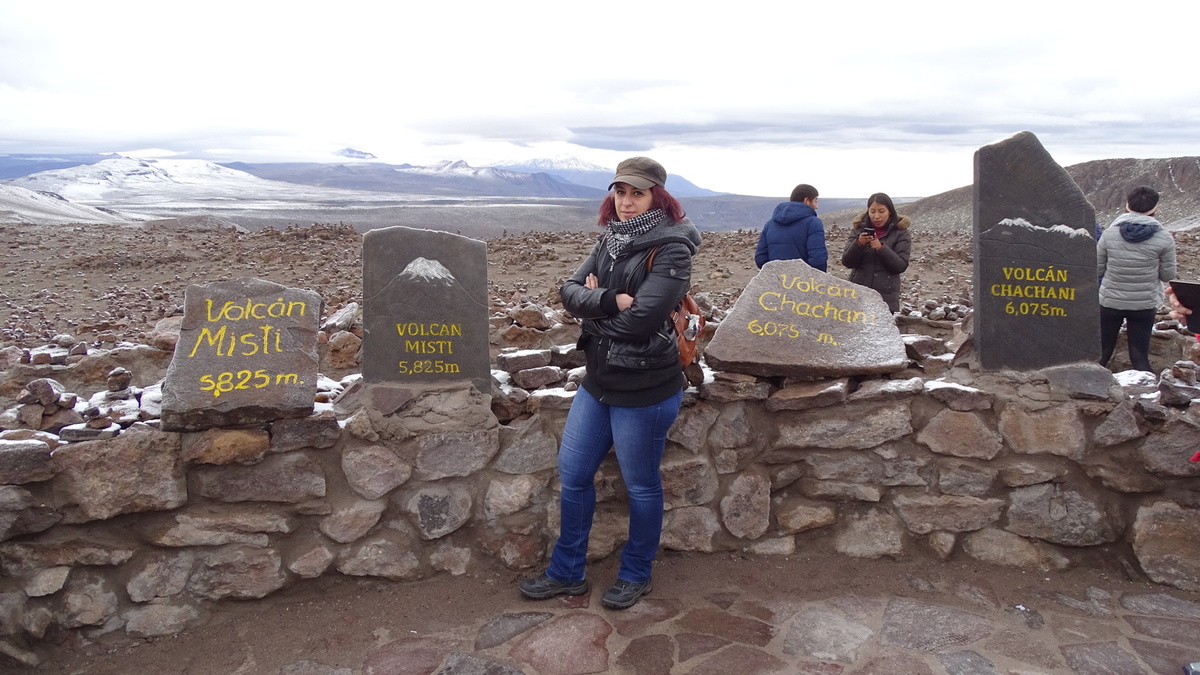
On the plateau are mounds of stones stacked one on top of another, a technique typical of the Incas.
The apachetas are offerings to Mother Earth, Pachamama, and to Apu, the god of the mountain, to protect travelers throughout their journey. Ancient civilizations also left liquids and coca leaves as tributes to their deities.
Next up: breakfast. We’ll have breakfast, drink coca leaf tea, pineapple quinoa juice (quinoa carretillera), coffee, and enjoy some traditional pastries.
What exactly is coca, aside from what we already know (just in case: it’s the raw material for cocaine)? It’s also an excellent remedy for altitude sickness—symptoms such as headaches, digestive issues, and, in the worst cases, hypoxia, and in the most severe cases, cerebral edema.
These symptoms can appear as early as 2,300 meters above sea level!
So, any symptom you might have shouldn’t be taken lightly. You should drink coca tea or chew the leaves; I’ve found that coca’s effect on the body is very simple but effective.
Well, I’ll admit that since I avoid medications and antibiotics as much as possible, I’ve become sensitive to them over time. As a result, the tea had a powerful effect on me—I’ve never felt as calm as I did after drinking it. Those who know me know that I’m a bundle of energy. At that moment, you don’t even care that you’re not breathing properly, and the headache disappears (a headache that had worsened when, that morning, I found myself at an altitude of nearly 5,000 meters).
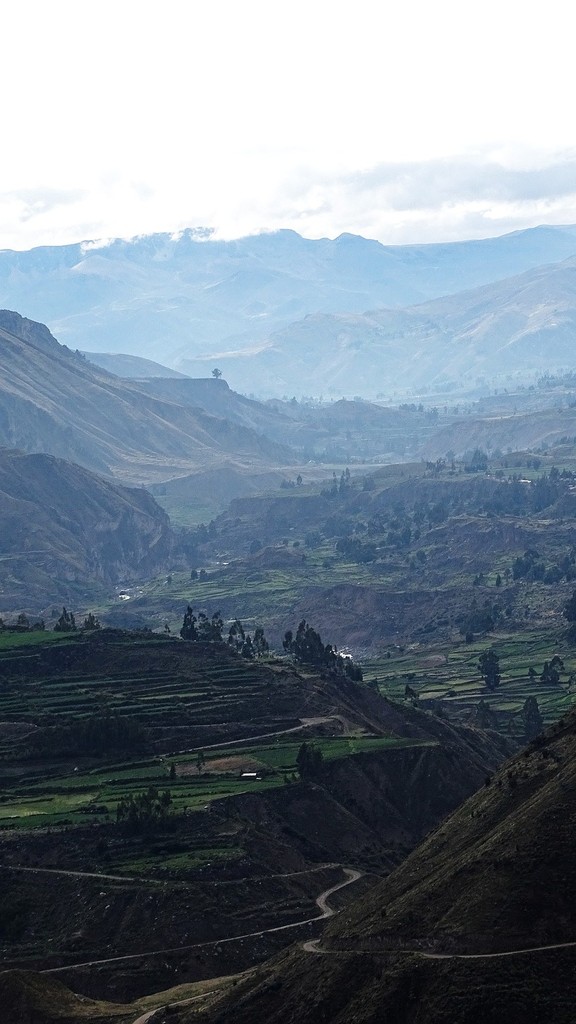
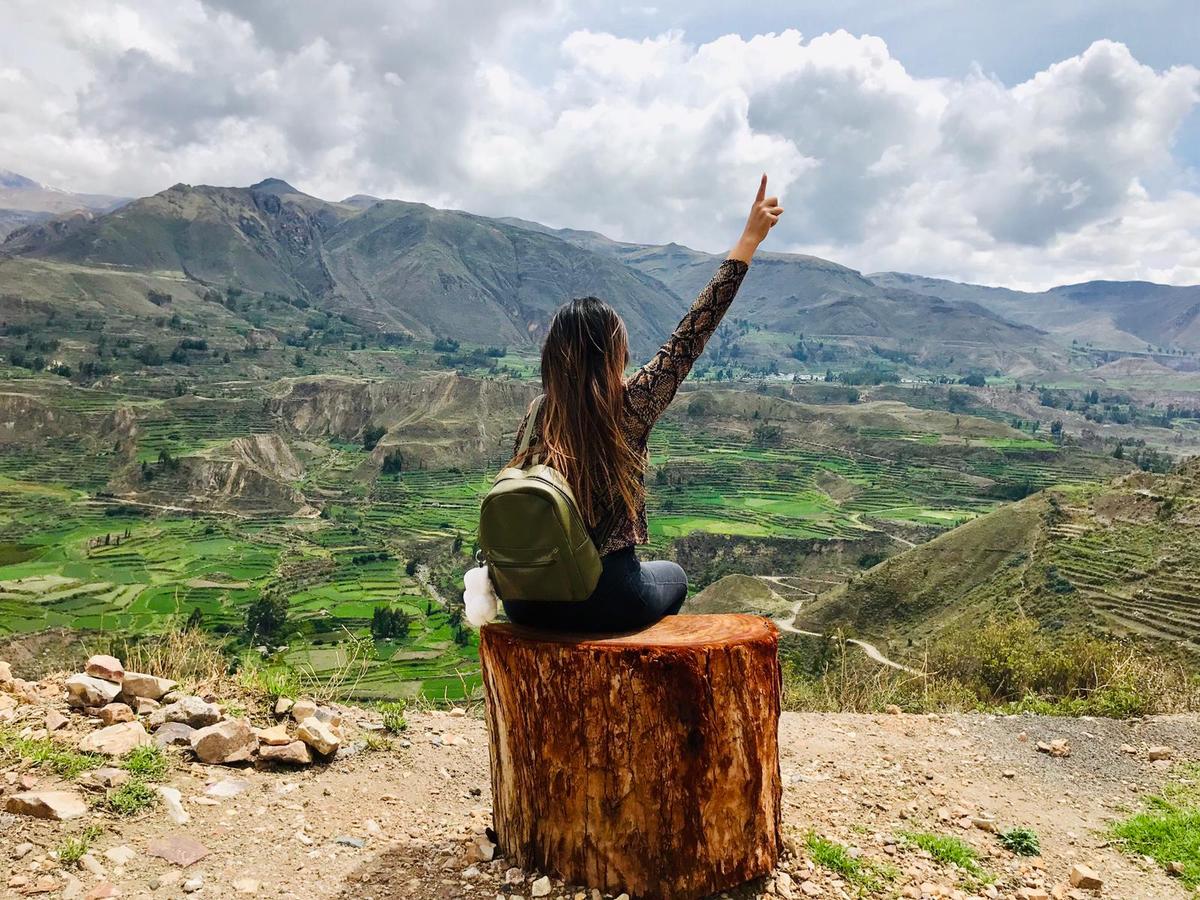
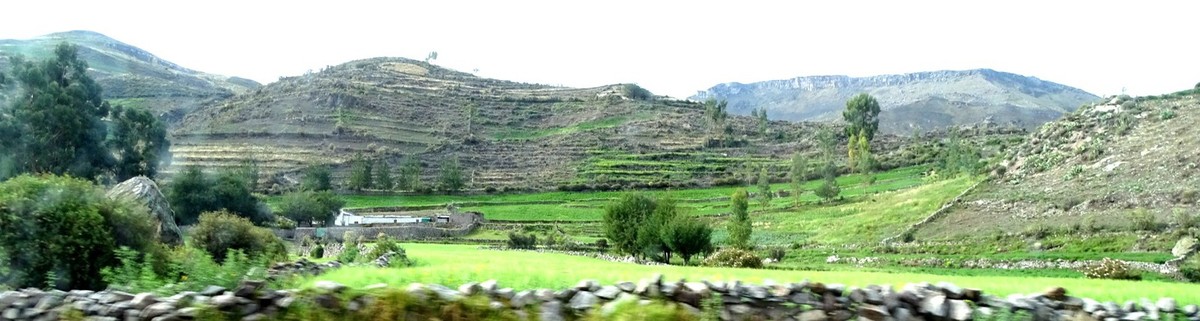
After breakfast, which was very good, we continued our journey toward the village of Chivay at an altitude of 3,600 meters. Along the way, we stopped several times at viewpoints overlooking the terraced valley, and at lookouts such as Wayra Punko, Antawilque, Nevado Hualca Hualca, and Nevado Ampato. What a magnificent sight—what do you think?
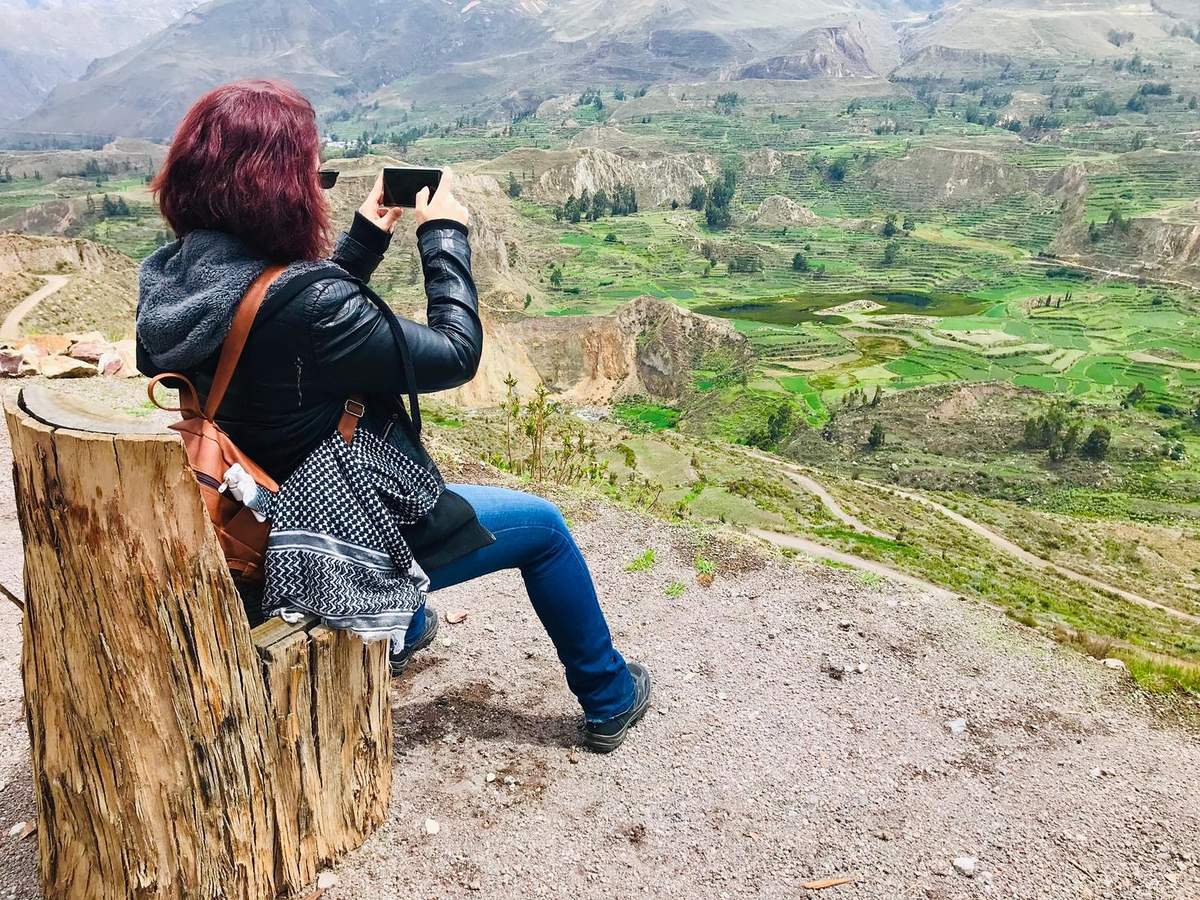
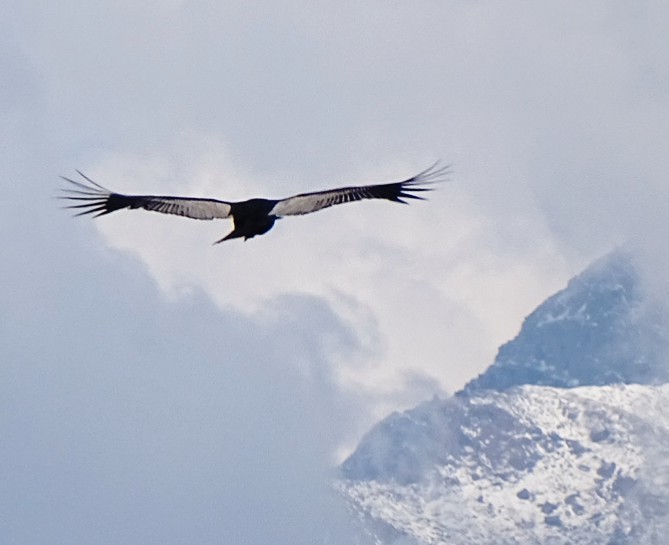
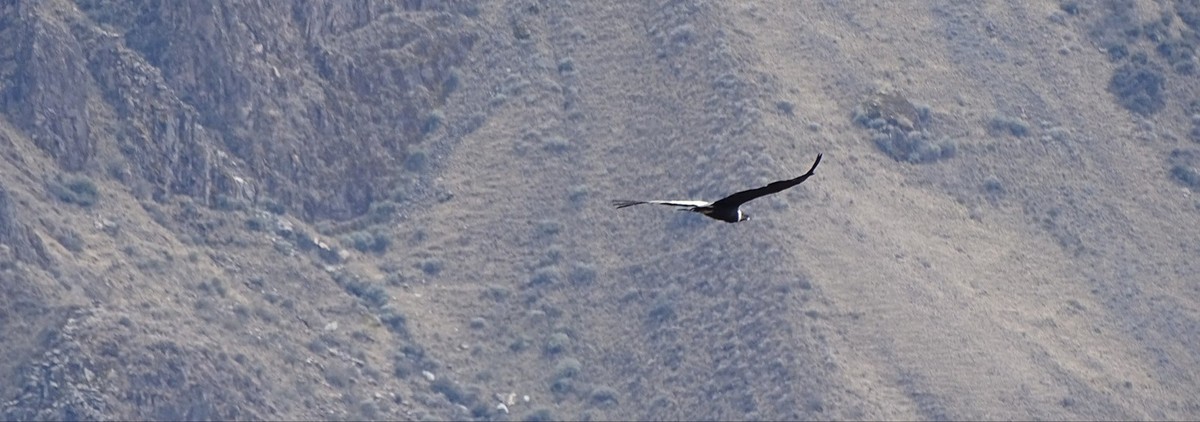
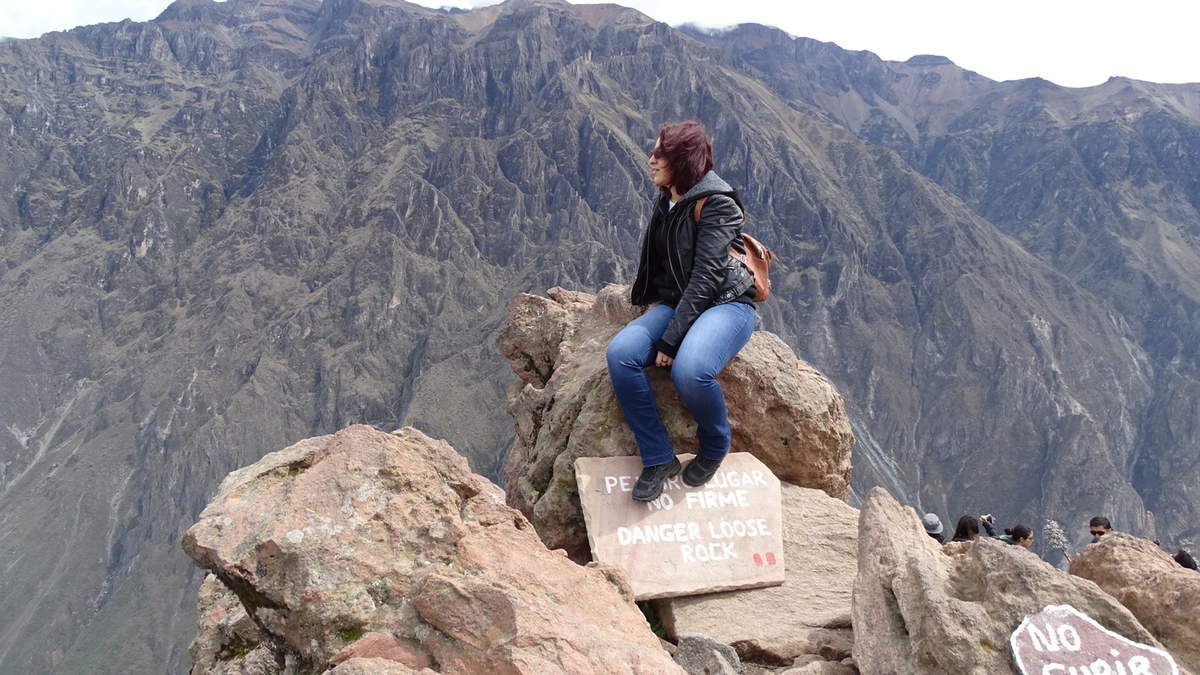
And that’s not all—we stopped at the Condors viewpoint, where we felt so small in the face of the majestic mountains of this canyon and watched the condors in flight; we were lucky enough to see three or four of them soaring.
After that, we went for a swim in the hot springs heated by the volcano—the Baños Termales de Chacapi.
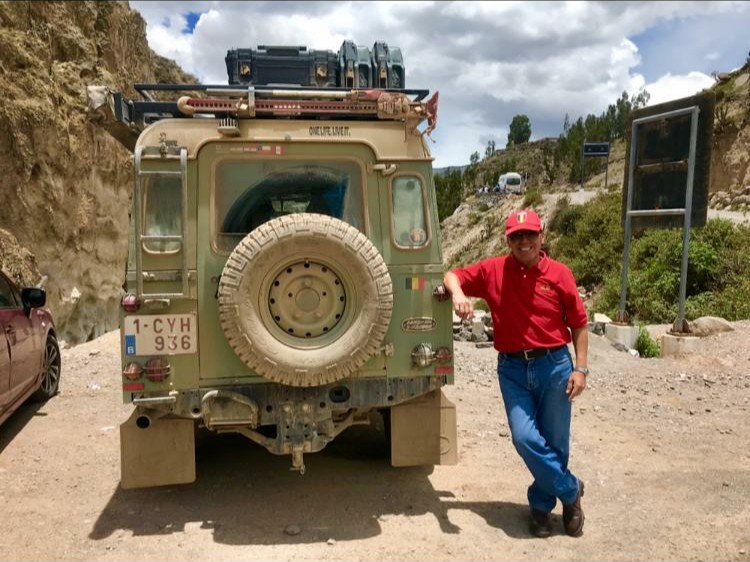
We ran into a Belgian Land Rover driven by a retired couple touring South America in their car; they began their journey by spending 35 days on a cargo ship.
We ended the tour with an excellent buffet lunch, topped off with delicious watermelon—a tour that cost us the modest sum of 130 soles.
The drive back to Arequipa was difficult because of the thick fog—so thick that we couldn’t see more than 50 cm ahead. You can imagine the road… And everyone was asleep on the bus… We drove like that for nearly two hours. What a stress!
Once the day was over, we collapsed as soon as we got back.
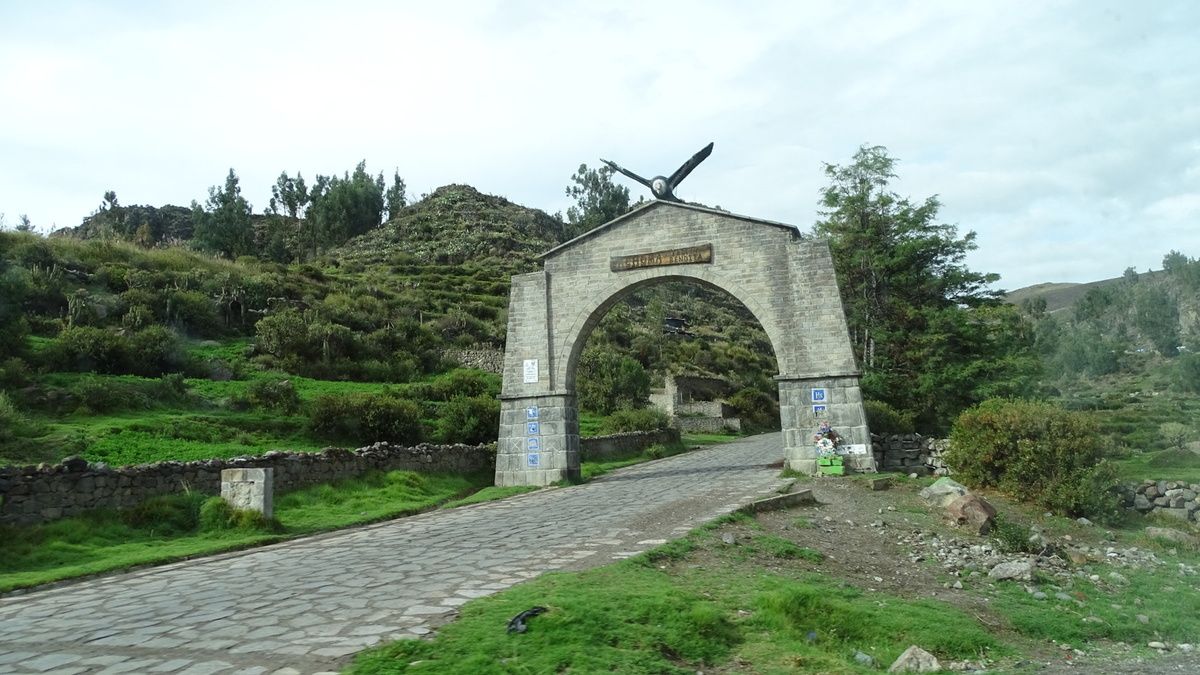
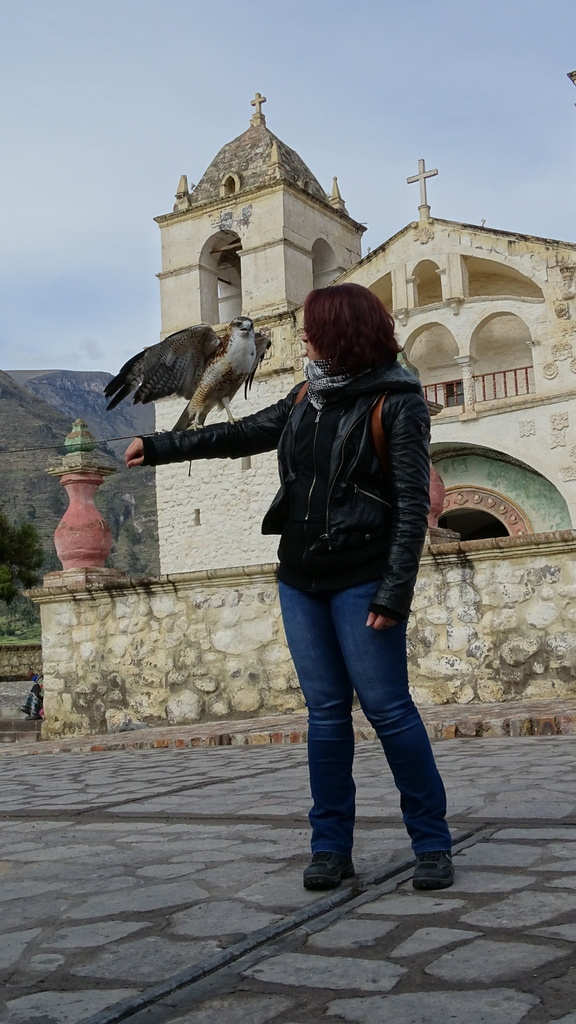
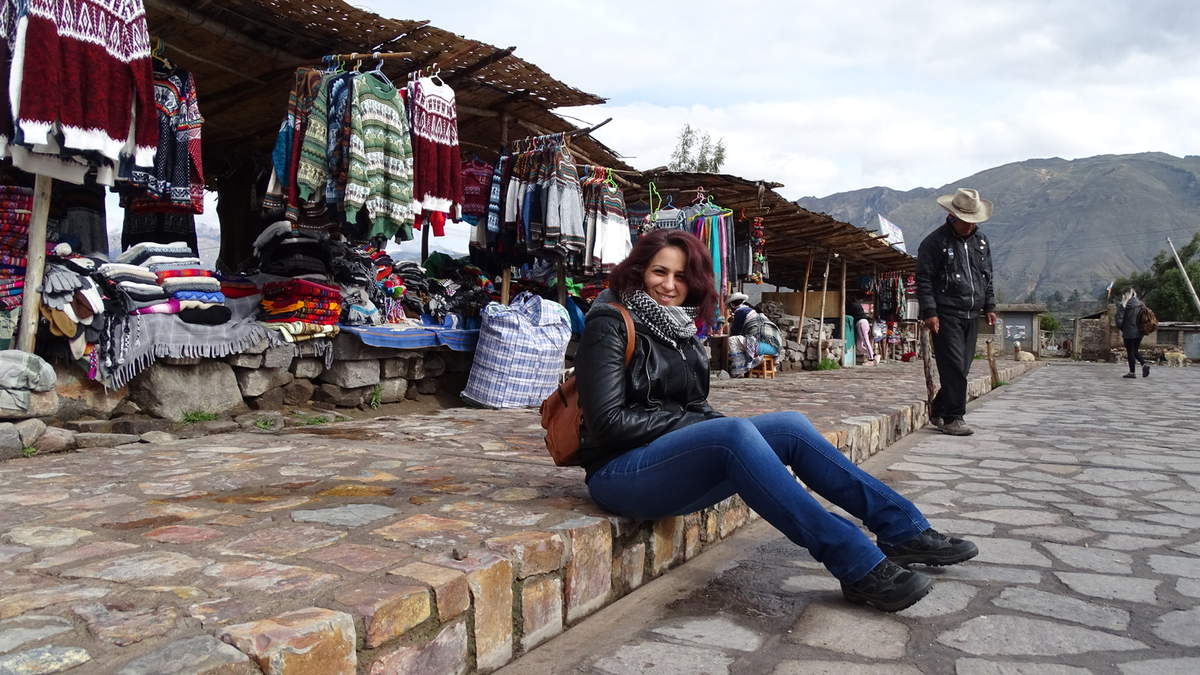
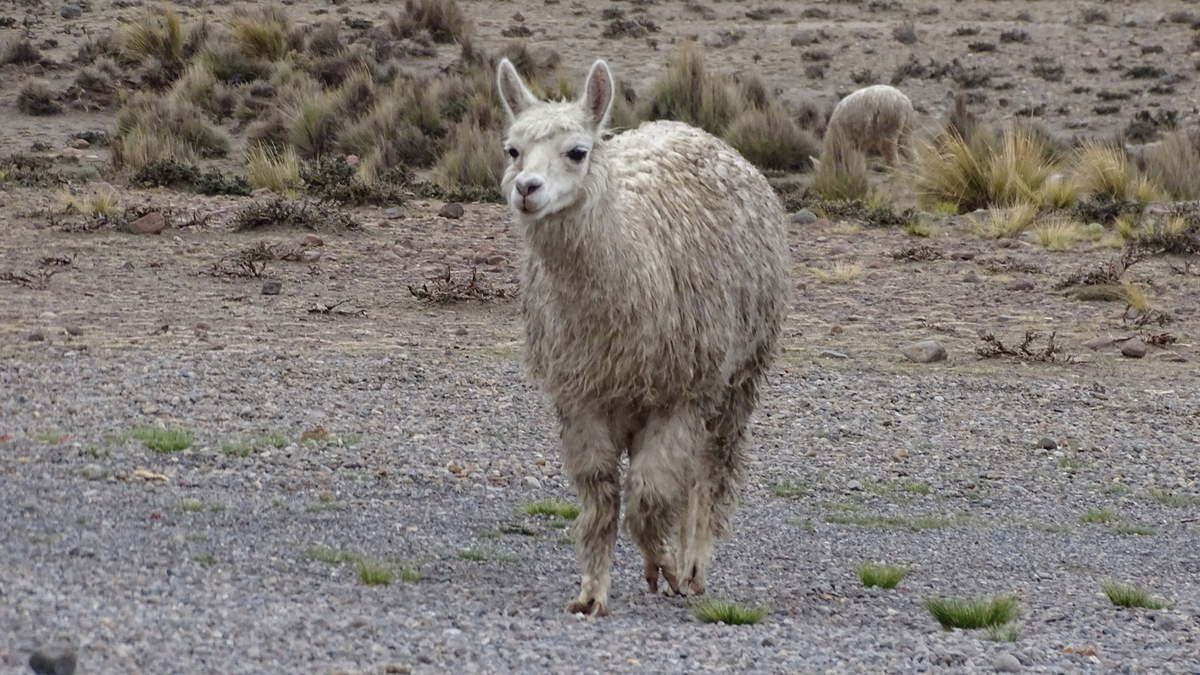
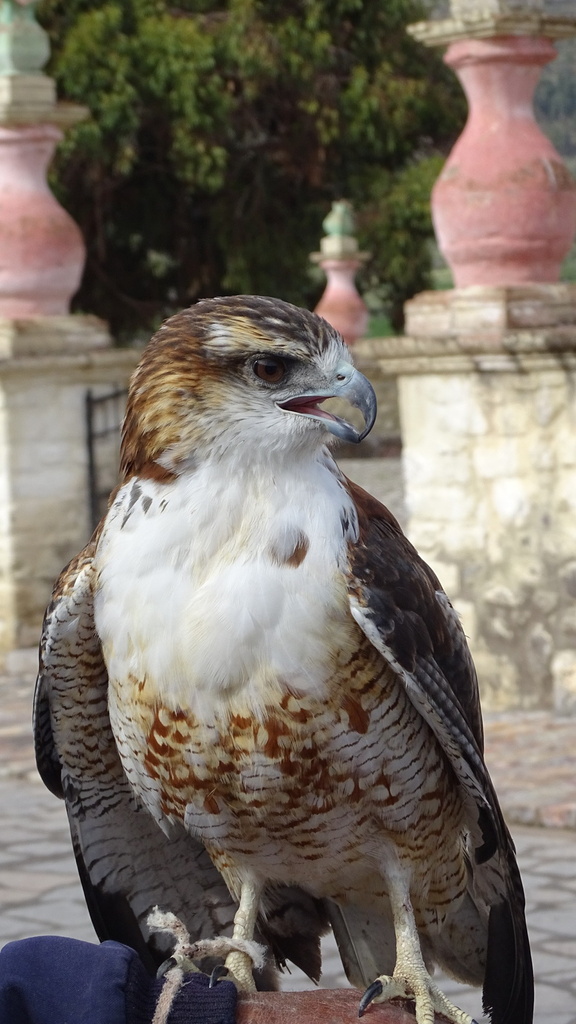
I’m adding a few more photos of the viewpoints we visited.





I’m going to stop here, even though I have lots of beautiful photos to share with you,
See you soon,
Ninve



One Comment
Pingback: